Espoo Museum of Modern Art
Alien in Me – 20 Years of Saastamoinen Foundation Collection Exhibitions
Mobile Guide
Alien in Me explores experiences of alienation and otherness in a world undergoing constant transformation. In total, the exhibition features works by over 50 artists. Central to the exhibition are encounters and relationships: our layered connections to cultures, landscapes, places, and technologies, as well as to other people, bodies, and non-human beings.
Curated by EMMA’s Director Krist Gruijthuijsen, this newly conceived exhibition from the Saastamoinen Foundation Art Collection forms part of EMMA’s 20th anniversary programme.
In this mobile guide, you will find texts about 16 artists, as well as images of selected works. In addition, at the bottom of the page, you can read about the Saastamoinen Foundation Art Collection.
Ahtila, Eija-Liisa
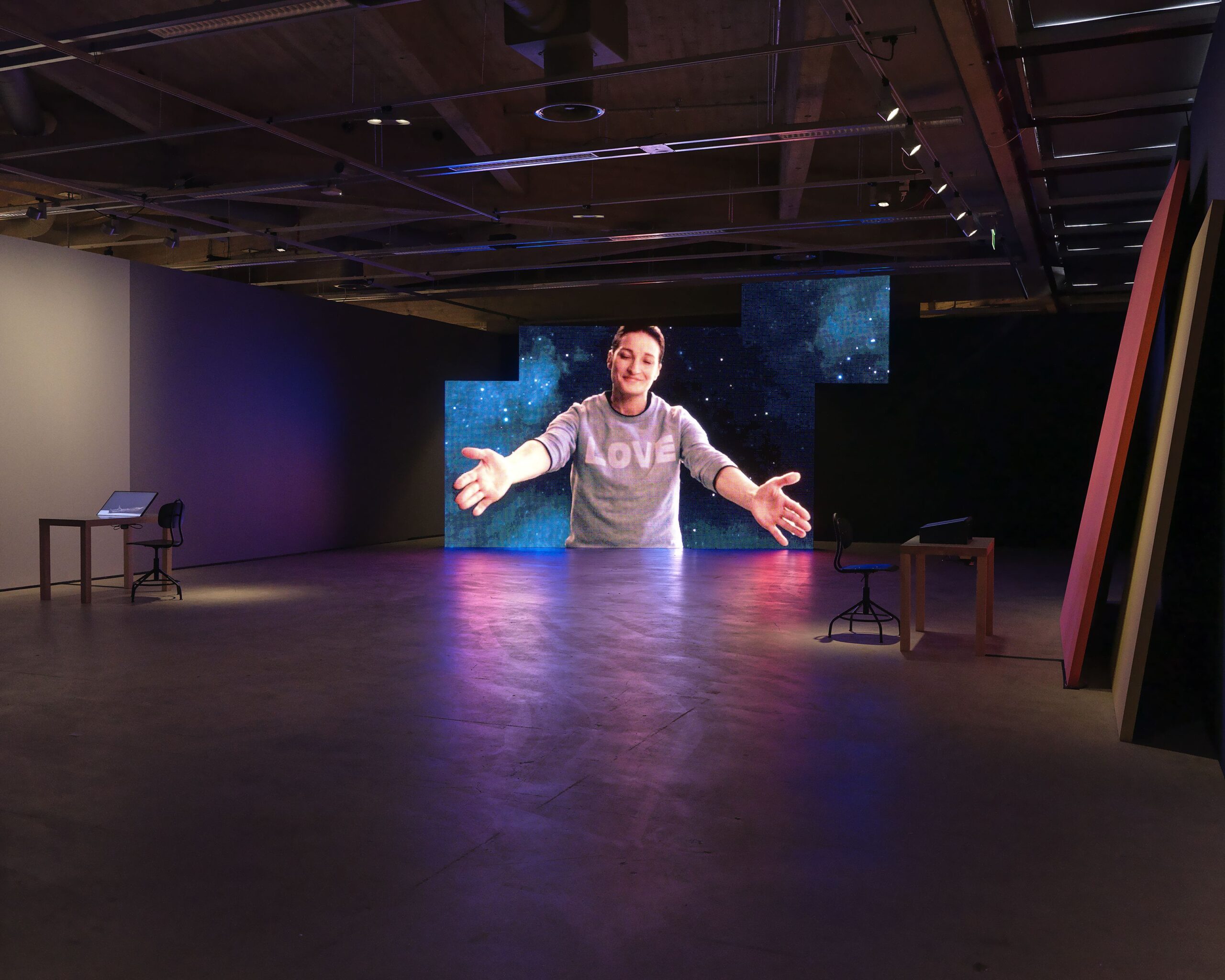
Eija-Liisa Ahtila is a Finnish artist working with moving image. She is a pioneer of several image‑based installations. Her works explore the boundaries of empathy, interspecies understanding and narrative. In her 2018 completed work Potentiality for Love, she explores how love and compassion might extend beyond the human species. The installation consists of three parts.
I
The first part is a hybrid piece that combine sculpture with moving image technology to draw attention to the moment love first emerges. The LED assembly consists of tiny points of light. From a distance, the points present a clear image of an approaching figure of a mother. At a closer distance, the image of the mother opening up her arms dissolves into a constellation of green, red and blue dots of light and the material surface formed by them.
The LED module sculpture creates an image of distant memory – of mother and the primal unity. It also examines the experience of loss and distance, the moment when the mother recedes and, for the first time, the potentiality for love becomes existent.
II
The second part asks: Who are we? What is a human being? How close are we to the other? Can love be limited only to those of our own kind?
The work consists of two tables that form stages for encounters between humans and another species. The arrangement is based on a technique developed in neuroscience and various therapeutic practices, in which mirrors are used to alleviate phantom limb pain. Here, the mirror is replaced by a screen revealing the arm of another species. The work explores how empathy can arise through shared space and almost imperceptible gestures.
There is a mark on the table where you can place your arms. You can place your arms under the screen.
III
The third part consists of a vertical projection depicting a doorway where a chimpanzee sits on a stool. The work considers an encounter at the threshold between two species and two realities. Jenny the chimpanzee sits with her back to the exhibition gallery, occasionally glancing over her shoulder towards the viewer. The thematic focus of this third part is space and the existence of different realities. The work can prompt us to consider how we have grown accustomed to looking at other species, and what role empathy plays in such encounters.
Bremer, Stefan
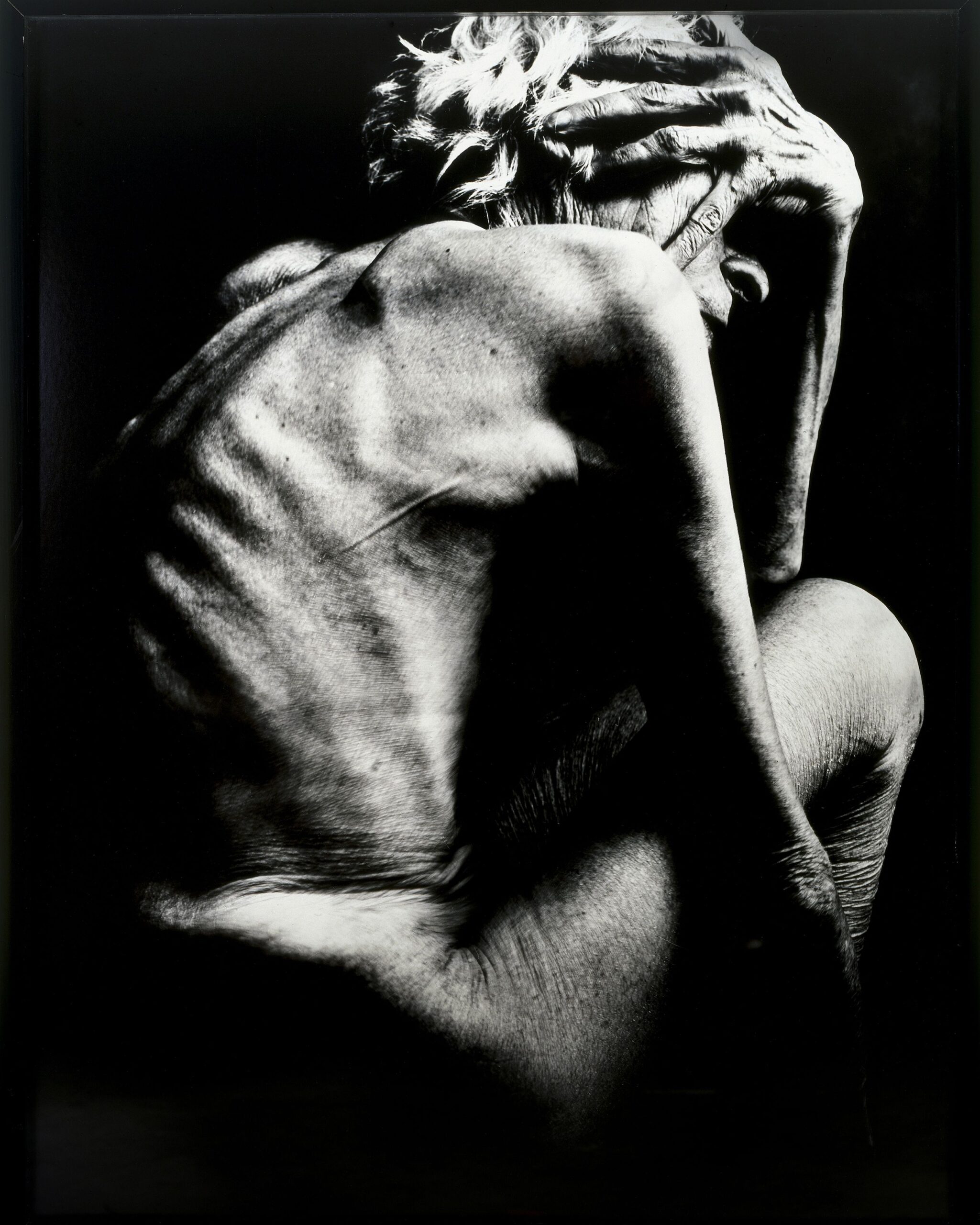
Stefan Bremer is a Finnish photographer known for documentary as well as experimental work which often have people as their main theme. One of his best-known series is Helsinki by Night, a portrait of nightlife and youth culture in the Finnish capital. Another important body of work is Man and Woman, in which Bremer explores Finnish men and women through nude photography. The subject of the photograph Soli from that series is Finnish actress Solveig “Soli” Labbart (1922–2003). Having trained at the Swedish-language theatre school in Helsinki, Labbart began her career on stage and later appeared in films, where she became particularly known for her roles as older women. Her remarkable expressiveness kept her in demand as an actress well into retirement.
Chira, Alexandru
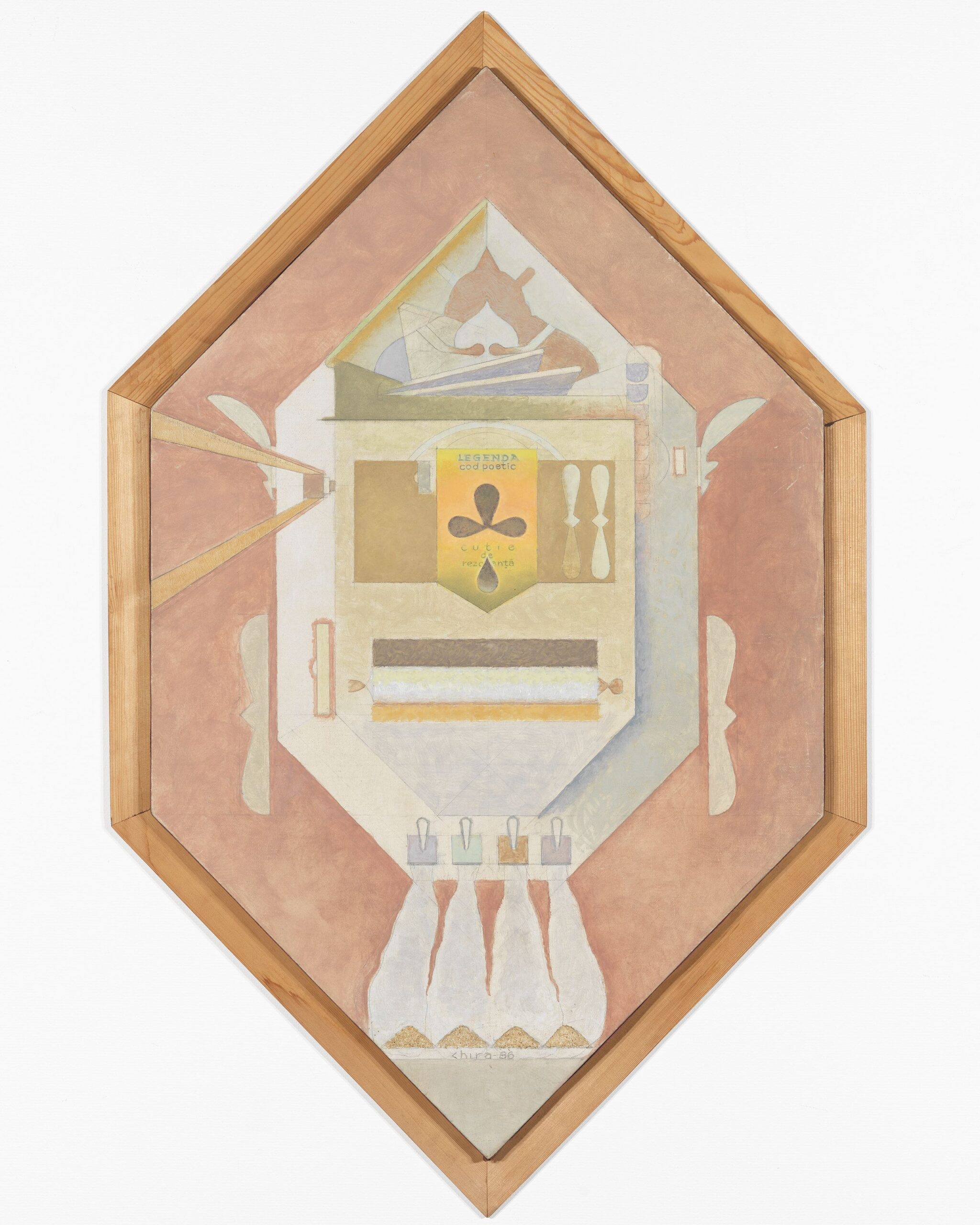
Alexandru Chira was born in the small village of Tăușeni in Transylvania, Romania. In the 1990s the village was struck by a prolonged drought, leading Chira to question the effectiveness of mechanised farming in the face of extreme natural phenomena. That observation became the starting point for his great but only partially realised life project, De-signs to the Sky for Rain and Rainbow (1994–2004), a sculptural ensemble planned for the centre of the village.
References to agriculture recur throughout his earlier work as well, such as Allegorical Thresher (Study for Tele-Poem). Hexagonal forms and stylised symbolism are characteristic of Chira’s style, which resists art-historical categorisation. Chira created a singular world of images and words in which the material and the immaterial, the earthly and the spiritual, the figurative and the abstract, the cosmic and the planetary all exist in constant dialogue.
Hujar, Peter
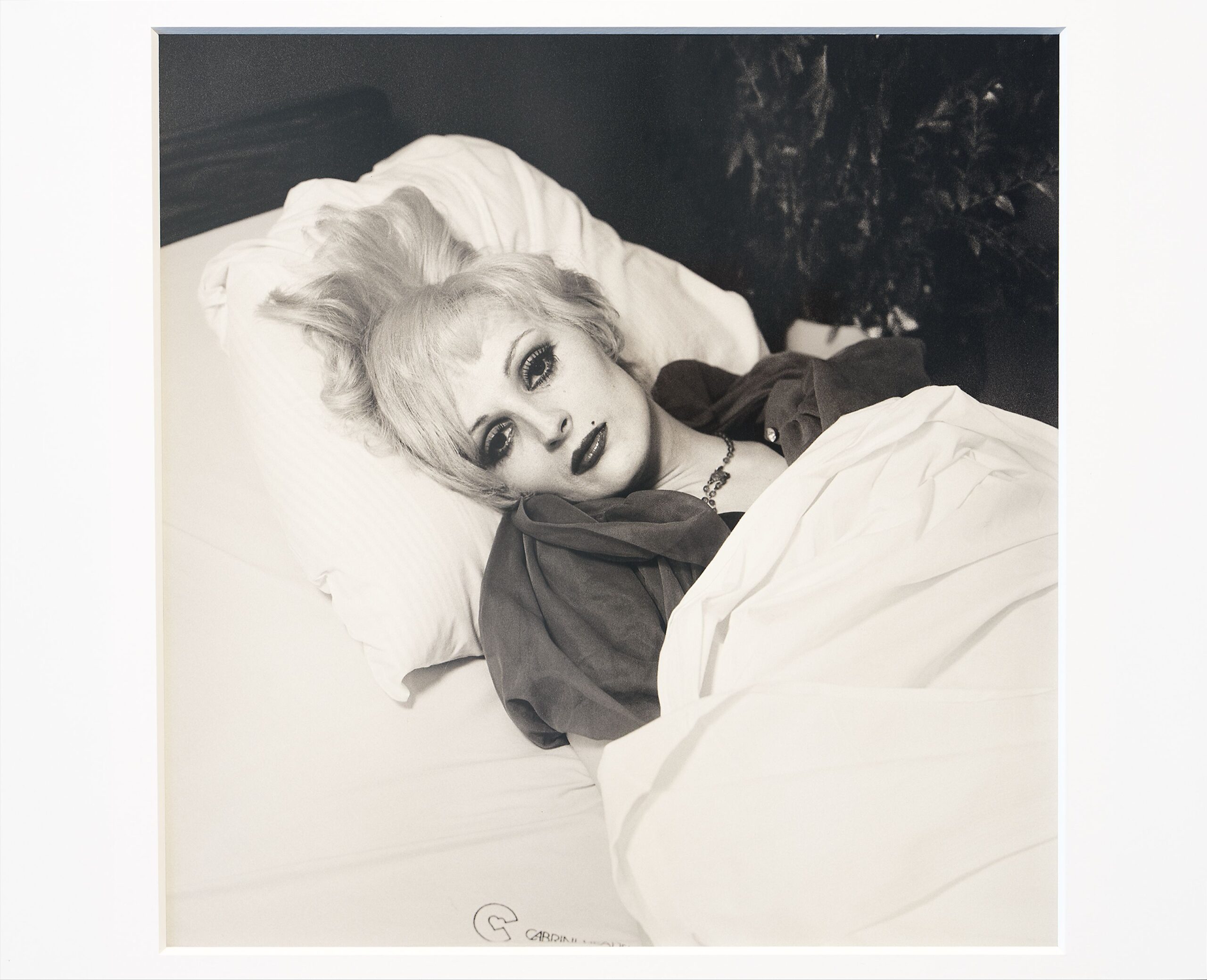
Peter Hujar was a photographer active in New York art circles in the second half of the twentieth century. He is best known for his black-and-white portraits of public figures and animals. Candy Darling in her Death Bed II depicts transgender actress Candy Darling (1944–1974), one of the superstars who appeared in artist Andy Warhol’s films. The photo was taken in her hospital room a few weeks before Darling died of leukaemia at the age of 29.
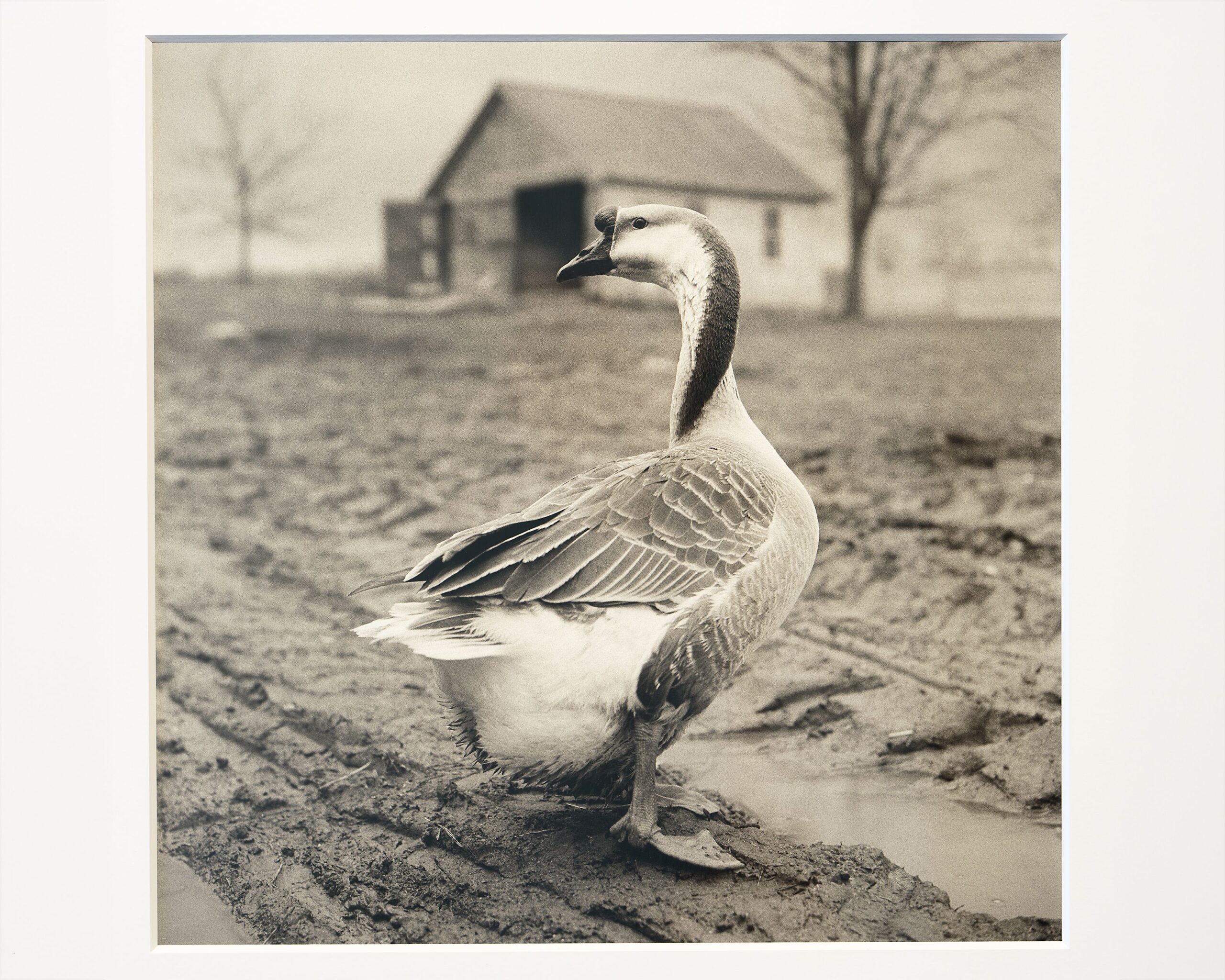
Goose with Bent Neck belongs to Hujar’s series of photographs in which animals appear as equally valid subjects of individual portraiture as humans, reflecting Hujar’s deep connection with animals that was fostered during his childhood spent on a farm. The figure of a goose wandering across muddy ground prompts the viewer to reflect on the question of the presence and consciousness of an animal, at once familiar and unfamiliar.
Julien, Isaac
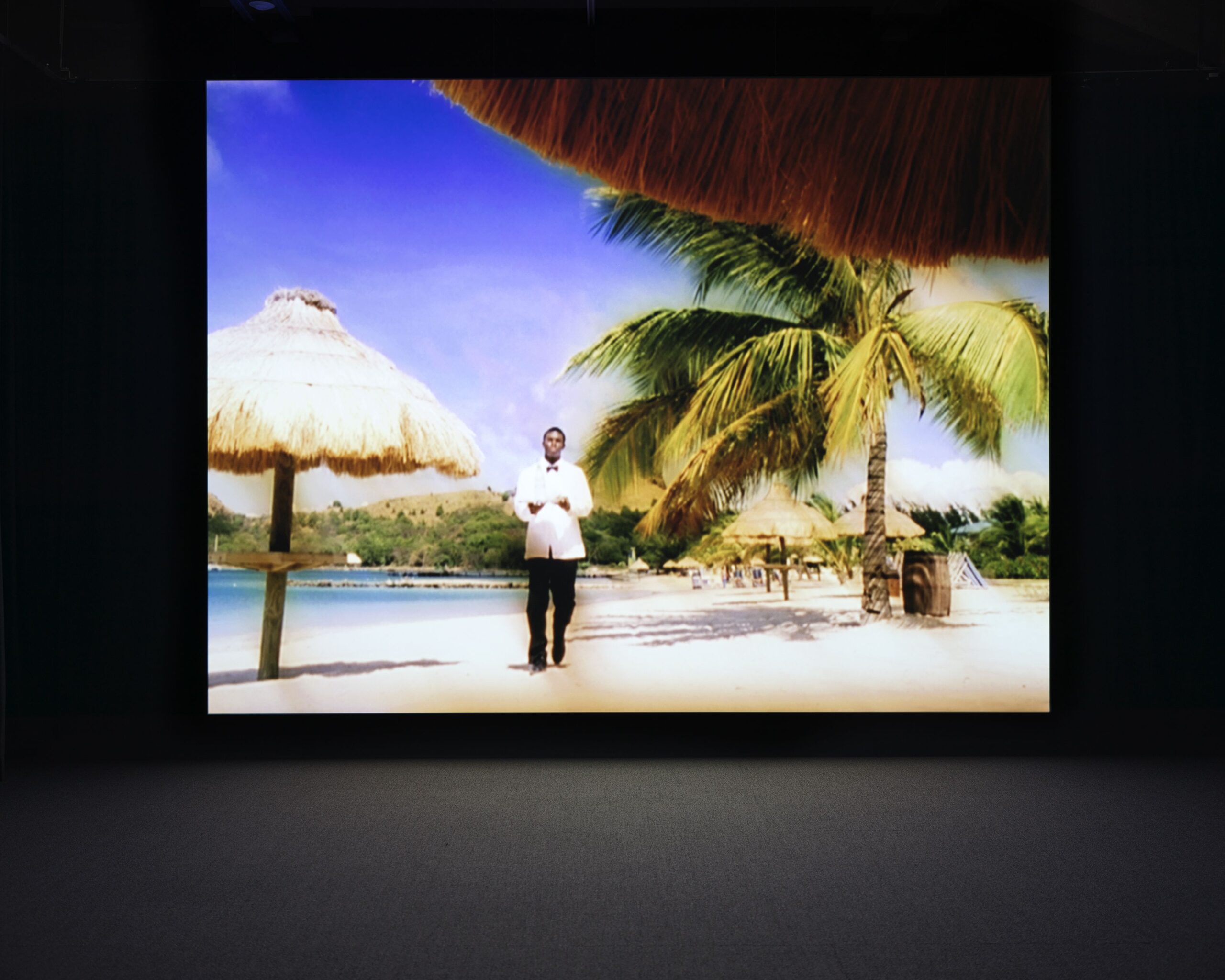
Isaac Julien is a British artist and filmmaker known for his poetic multi-channel video works. In Paradise Omeros, he draws on dreamlike storytelling to explore themes relating to the history of the Caribbean diaspora*, identity and the need for belonging. The film follows the protagonist’s experiences both in grey London in the 1960s and in the colourful island nation of Saint Lucia in the present day. Julien’s work is partly based on Nobel Prize winner Derek Walcott’s epic poem Omeros and was created in collaboration with Walcott and composer Paul Gladstone.
* Diaspora refers to the dispersal of a people or an ethnic group from their original homeland to different parts of the world. It can also refer to a dispersed community that preserves its cultural roots.
Kaila, Jan
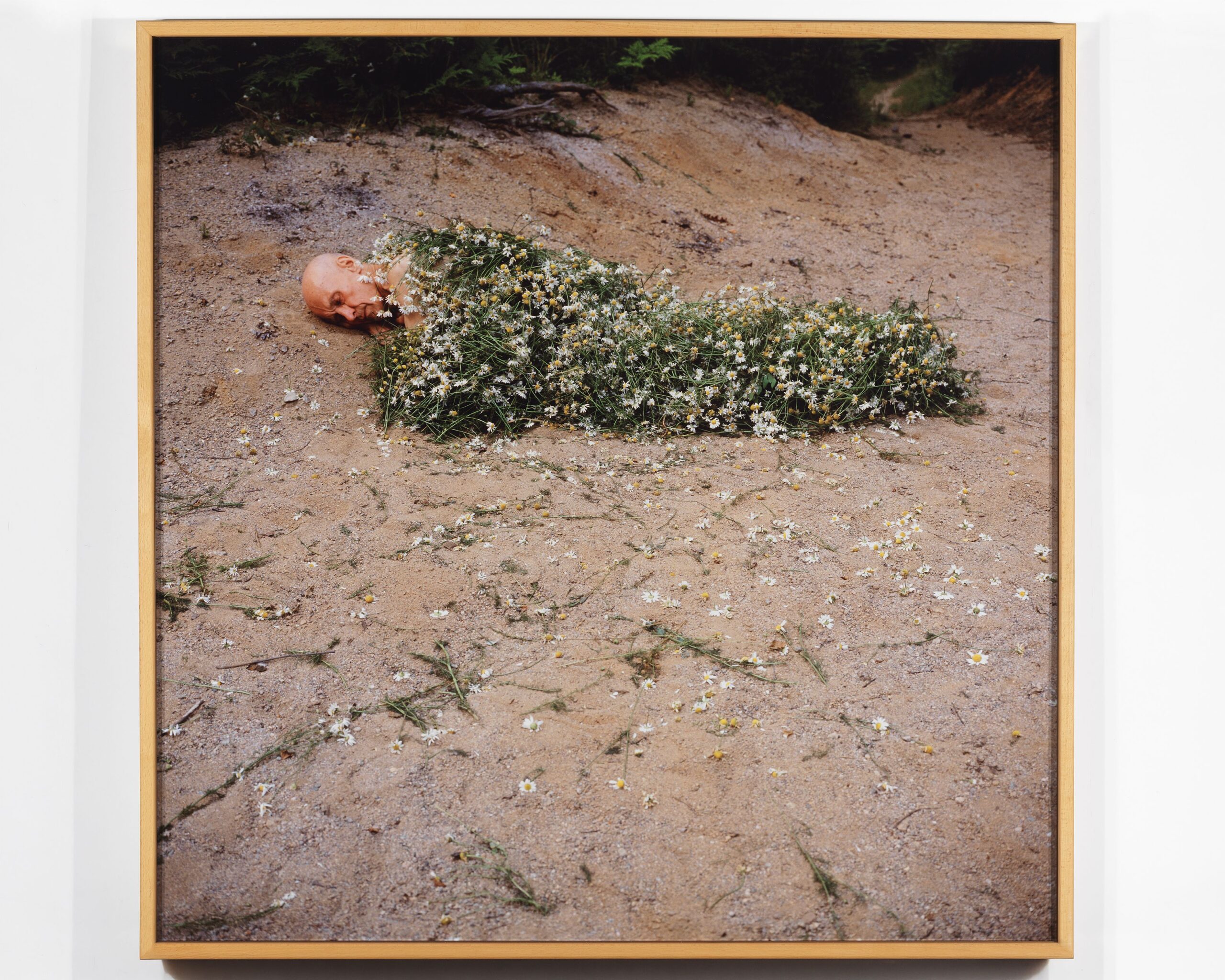
Photographer Jan Kaila was already familiar with the idiosyncratic world of Elis Sinistö from his childhood adventures in the forests of Kirkkonummi in the 1960s. Elis Sinistö (1919–2004) was an outsider artist and mystic who lived outside mainstream society and followed his own philosophy. He built a home for himself in Kirkkonummi from recycled materials, known as Villa Mehu, where he spent most of his life.
Jan Kaila collaborated with Sinistö, studying and observing his world, first as an external documentarian and later taking a more active role by staging situations for the pictures. This photograph invites us to reflect on Sinistö’s relationship with nature and his singular way of living in harmony with his surroundings.
Kalu, Nnena
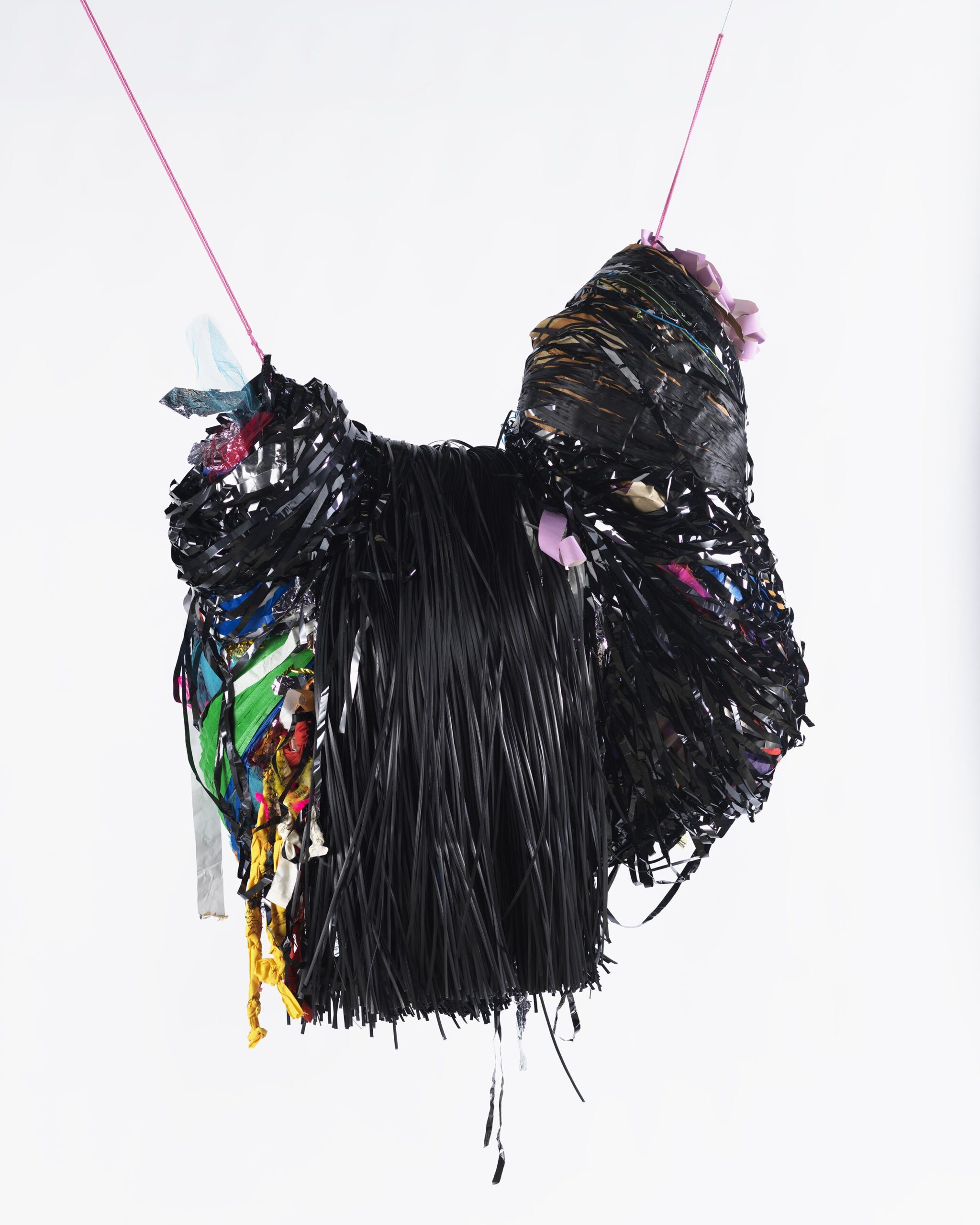
Nnena Kalu is a British artist known for powerful, layered works. Her practice is based on repetition. The piece Hanging Sculpture 2. Barcelona / Bradford is a suspended, organically growing structure made of industrial materials, plastic and tape. Into this sculpture, Kalu has constructed what seems like a continuous, unbroken line, built from a repeating loop-like form. The rhythm and sizes of the loops are determined by the dimensions of the artist’s own body – how far her hands can reach to twist the materials.
Nnena Kalu has been working at ActionSpace’s studio since 1999. ActionSpace supports adults with learning disabilities living in London. It provides them with access to creative studios, and professional guidance and support they need to develop as artists.
Messager, Annette
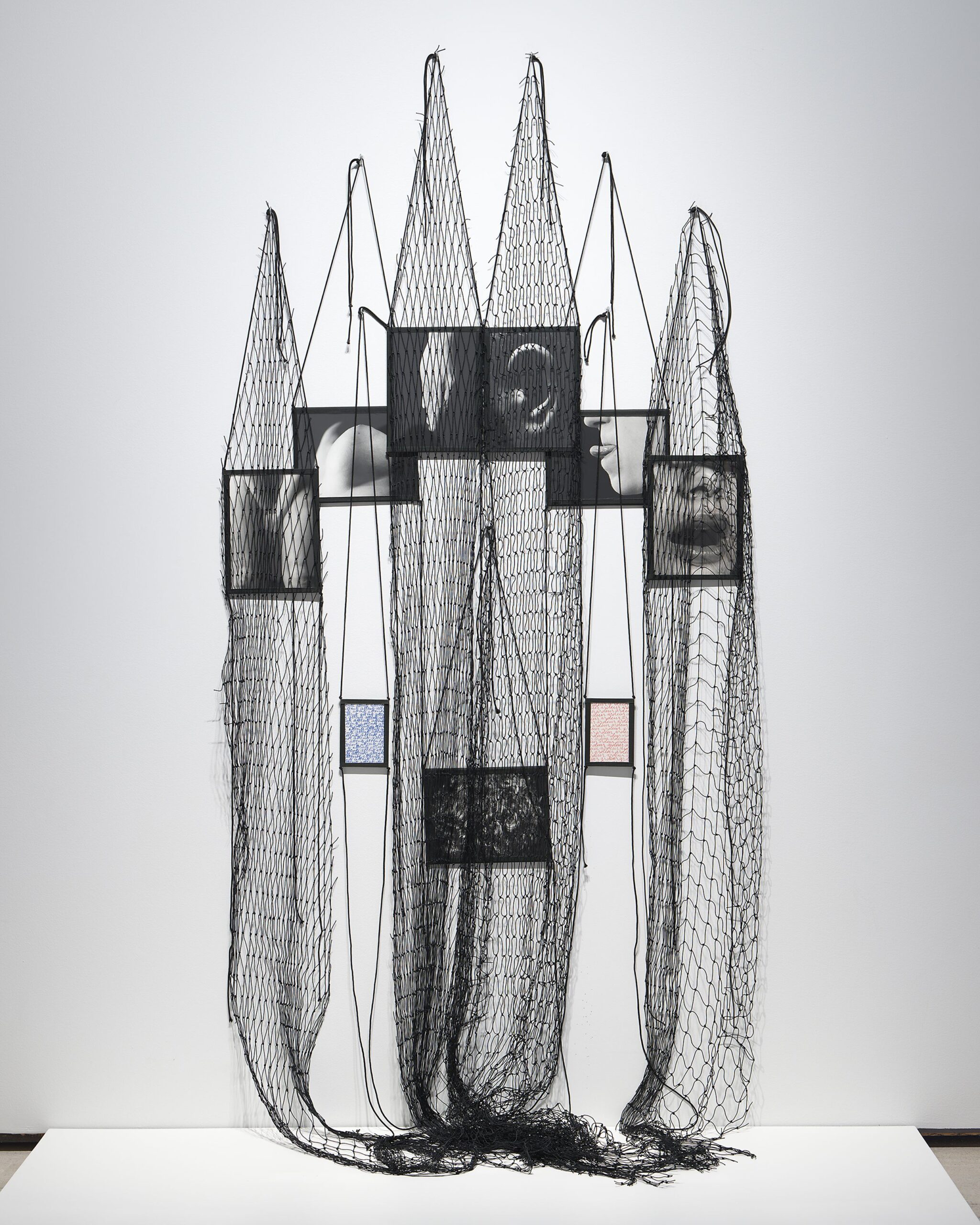
Annette Messager is a French artist known for installations that employ a wide range of techniques and materials. She frequently incorporates photographs and everyday objects into her works. The works in the My Vows series occupy a space between photography and sculpture. In My Hopes Under Netting (J), close-ups of the human body and the words “attente” (waiting) and “ardeur” (passion) repeated in handwritten texts evoke desire and sexuality. At the same time, the form of the piece recalls Catholic votive offerings, objects brought to the altar as a form of prayer through which one might, for instance, seek healing for an ailing part of the body by means of a written appeal or a photograph.
Mikhailov, Boris
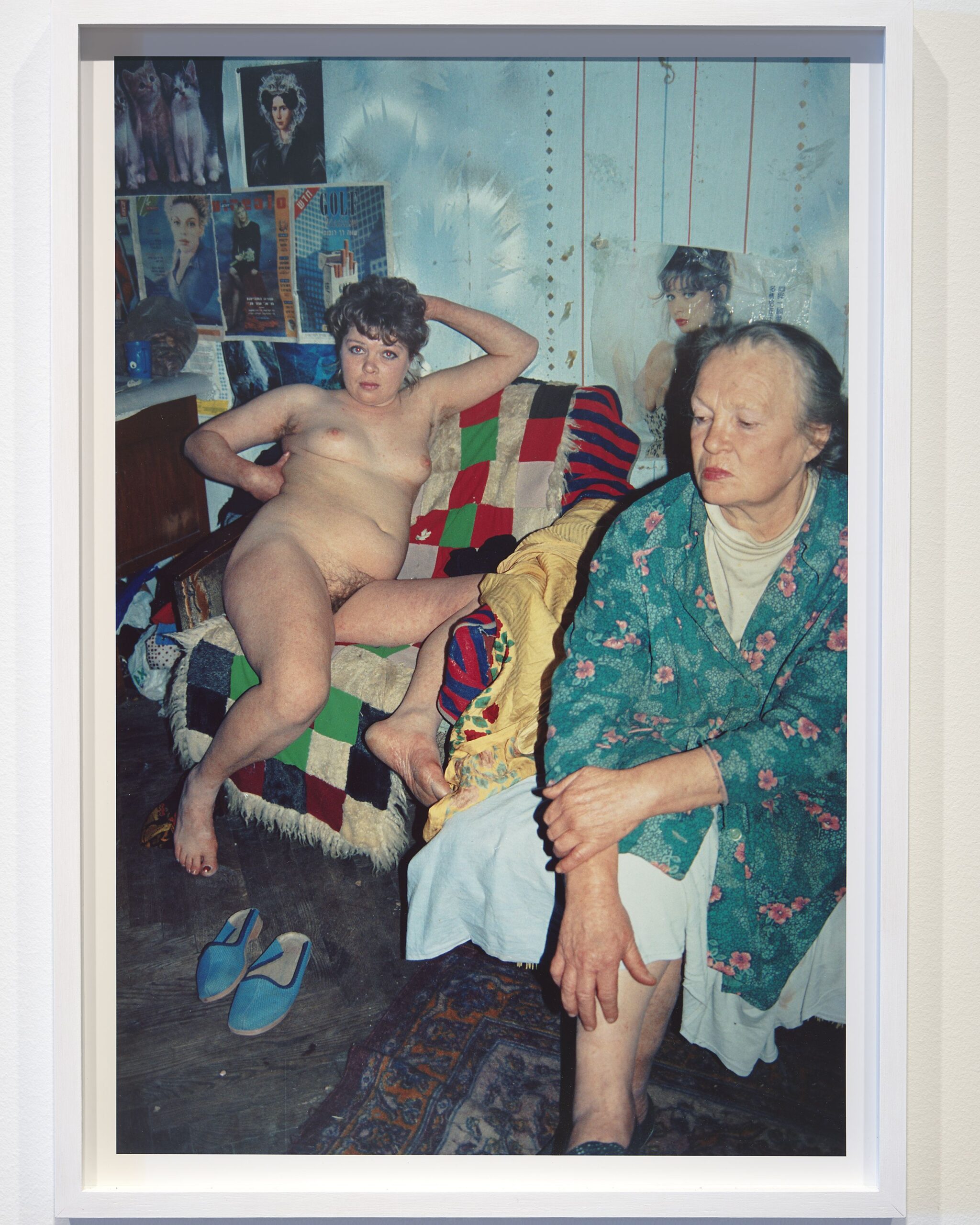
Boris Mikhailov is one of the most celebrated Ukrainian photographers to have emerged from the Soviet tradition. His series Case History examines the lives of people who were left homeless in the wake of the collapse of the Soviet Union. A few years after the fall of communism, Mikhailov returned to his home city of Kharkiv and documented the everyday lives of the city’s inhabitants.
He was shocked by the number and living conditions of homeless people who had no access to social assistance. In the Soviet era, photography had been strictly regulated. With the emergence of the new nation states, Mikhailov felt it was vital that we should not allow images of poverty to be erased from history again.
Ołowska, Paulina
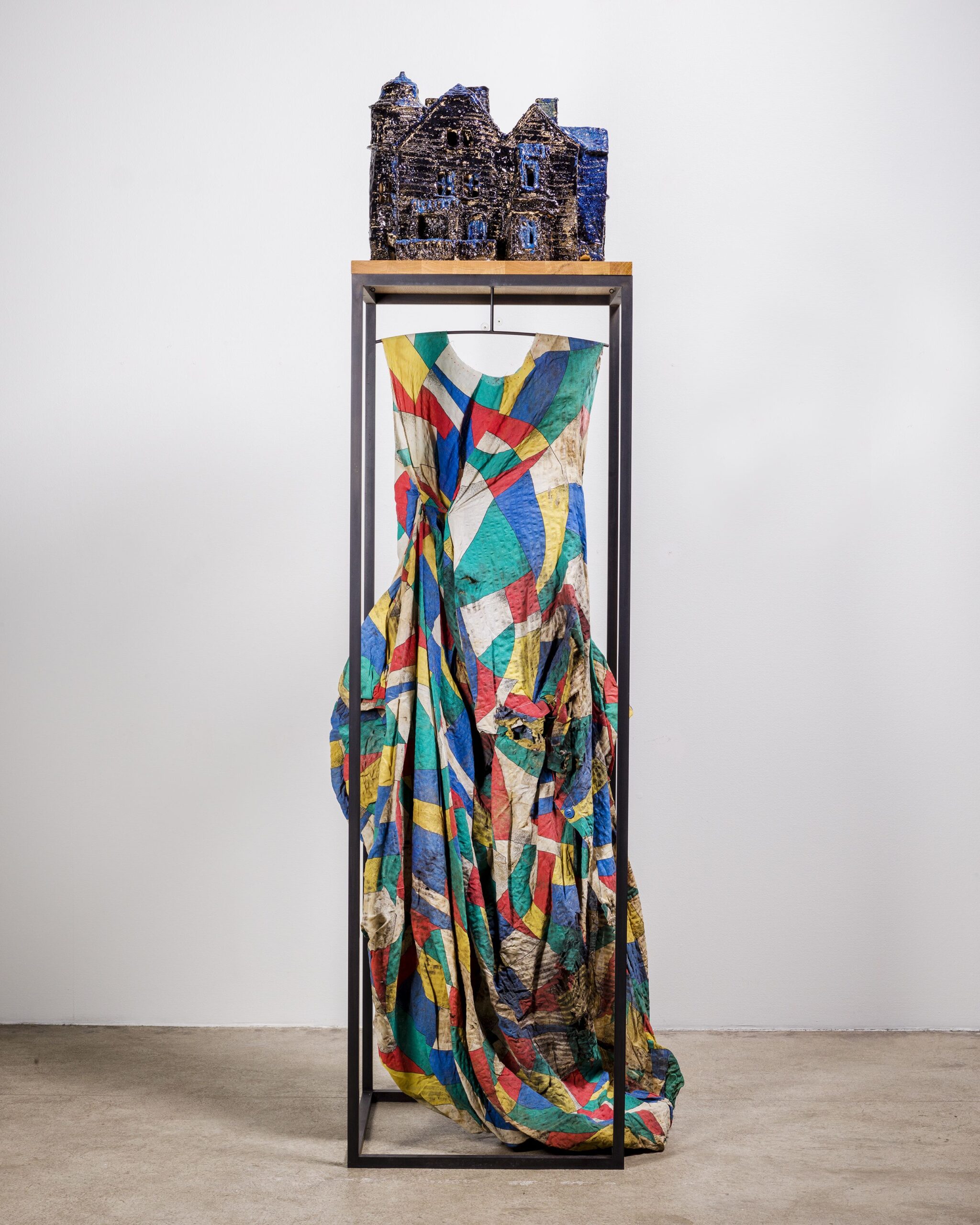
This piece is from a series of sculptures created in collaboration with fashion designer Michał Wiśniewski, whose garments were first buried, then unearthed, and finally shaped into sculptures. Ołowska seeks to shake up the conventional ways in which women are represented in art. She sums up her thoughts by asking: “Once you have grown into womanhood, how do you defend or preserve your freedom to be the woman you want to be?” The theme was inspired by Simone de Beauvoir’s 1967 book La femme rompue (The Woman Destroyed), which reflects on women’s lives, ageing and societal expectations through the stories of three women.
Pisis, Filippo de
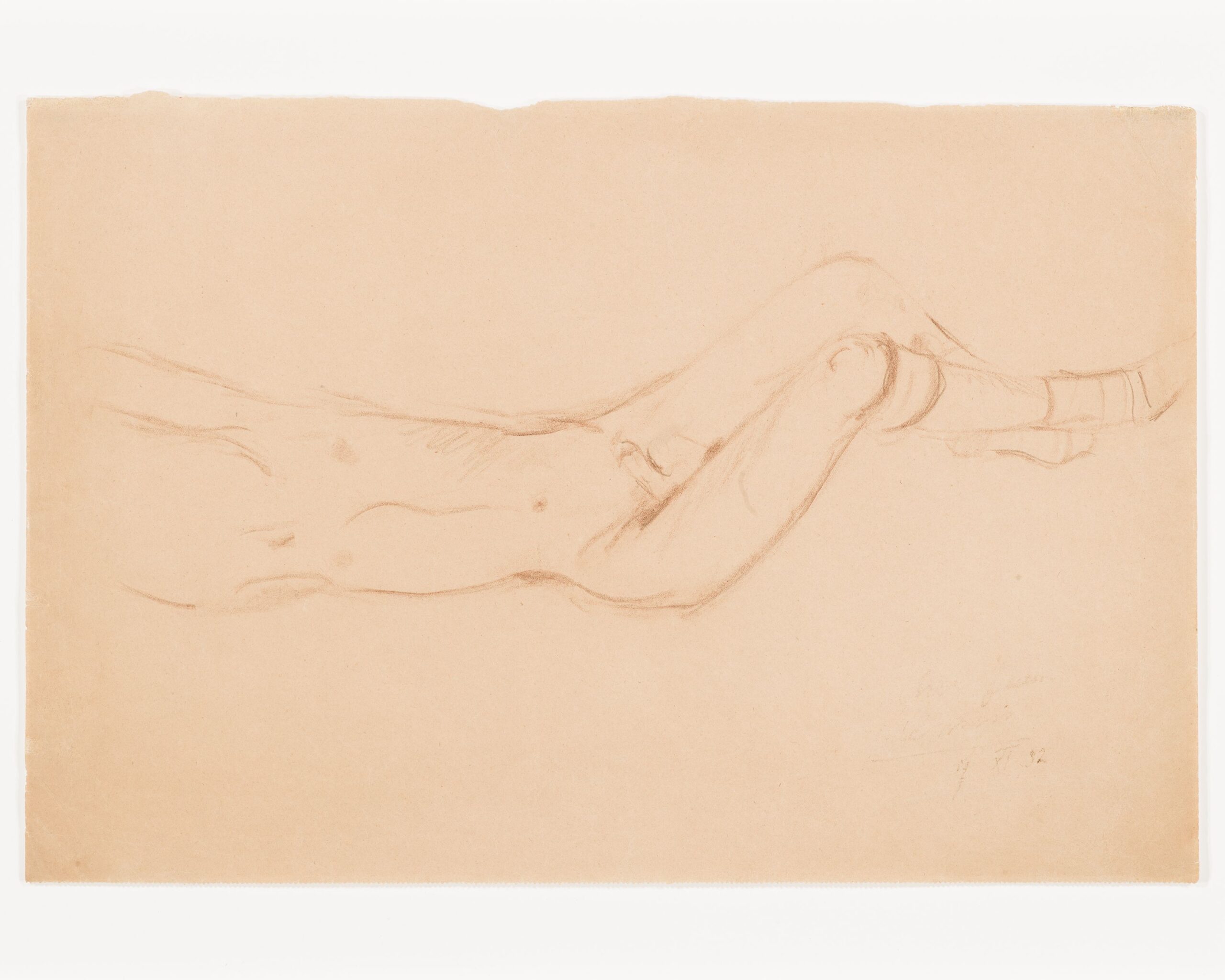
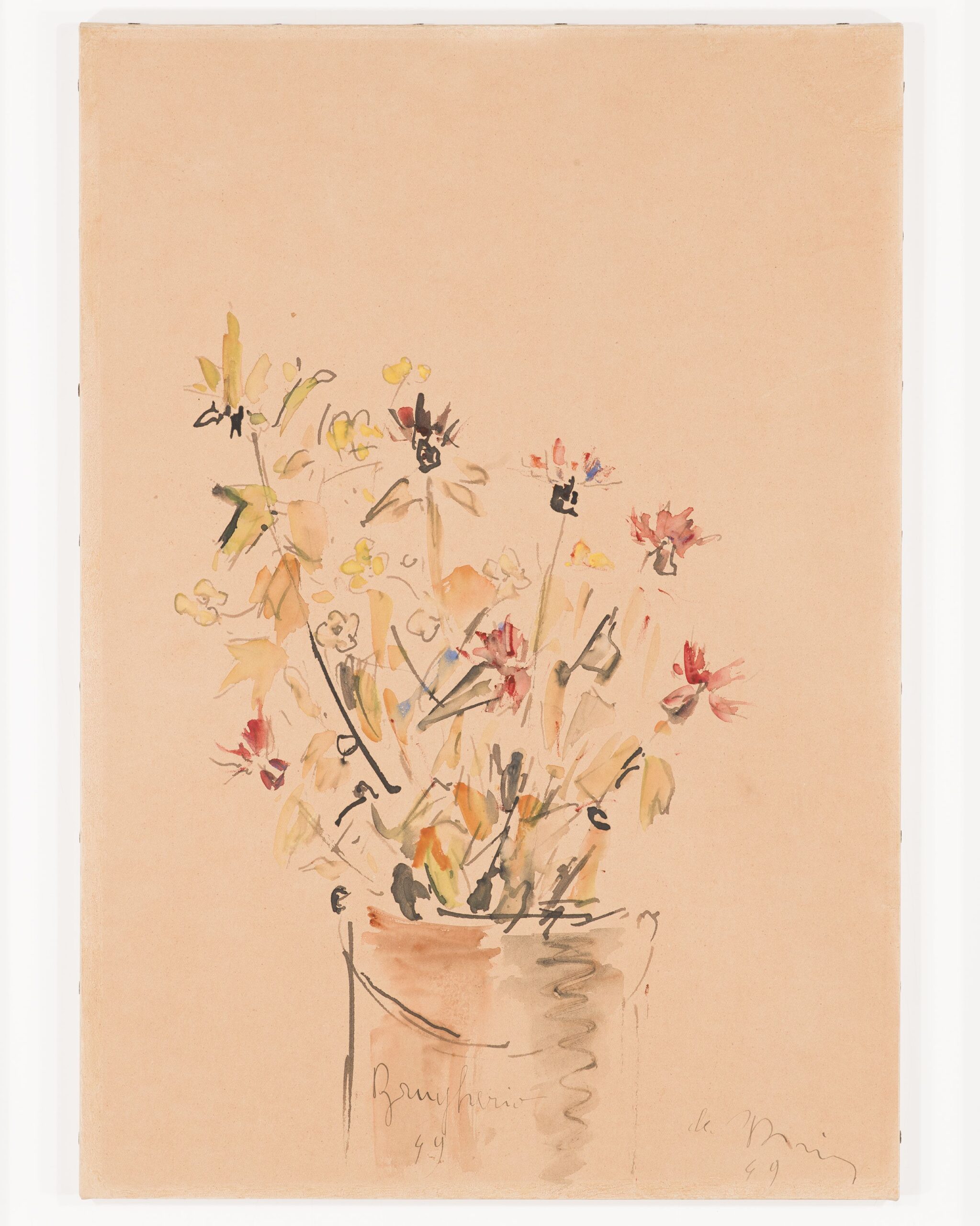
Filippo de Pisis was born in Ferrara, Italy, and began his career as a writer. In 1915 he became acquainted with the founders of the metaphysical school*, a pre-Surrealist art movement, and began to paint, mostly still lifes. After he moved to Paris in 1925, de Pisis became acquainted with artists such as Henri Matisse and Pablo Picasso, and his style became lighter and his palette richer. In Paris, de Pisis also was able to live more openly as a homosexual. He was in the habit of inviting male models to his studio, where he captured the queer eroticism of the day in drawings. Throughout his life, de Pisis kept revisiting the same motifs: flower paintings and still lifes, landscapes and portraits.
* The metaphysical school (pittura metafisica) was an Italian art movement that emerged in the early 1910s. Its defining characteristics included dreamlike and enigmatic compositions and the use of unreal perspectives. The most famous representatives of the movement were Giorgio de Chirico and Carlo Carrà.
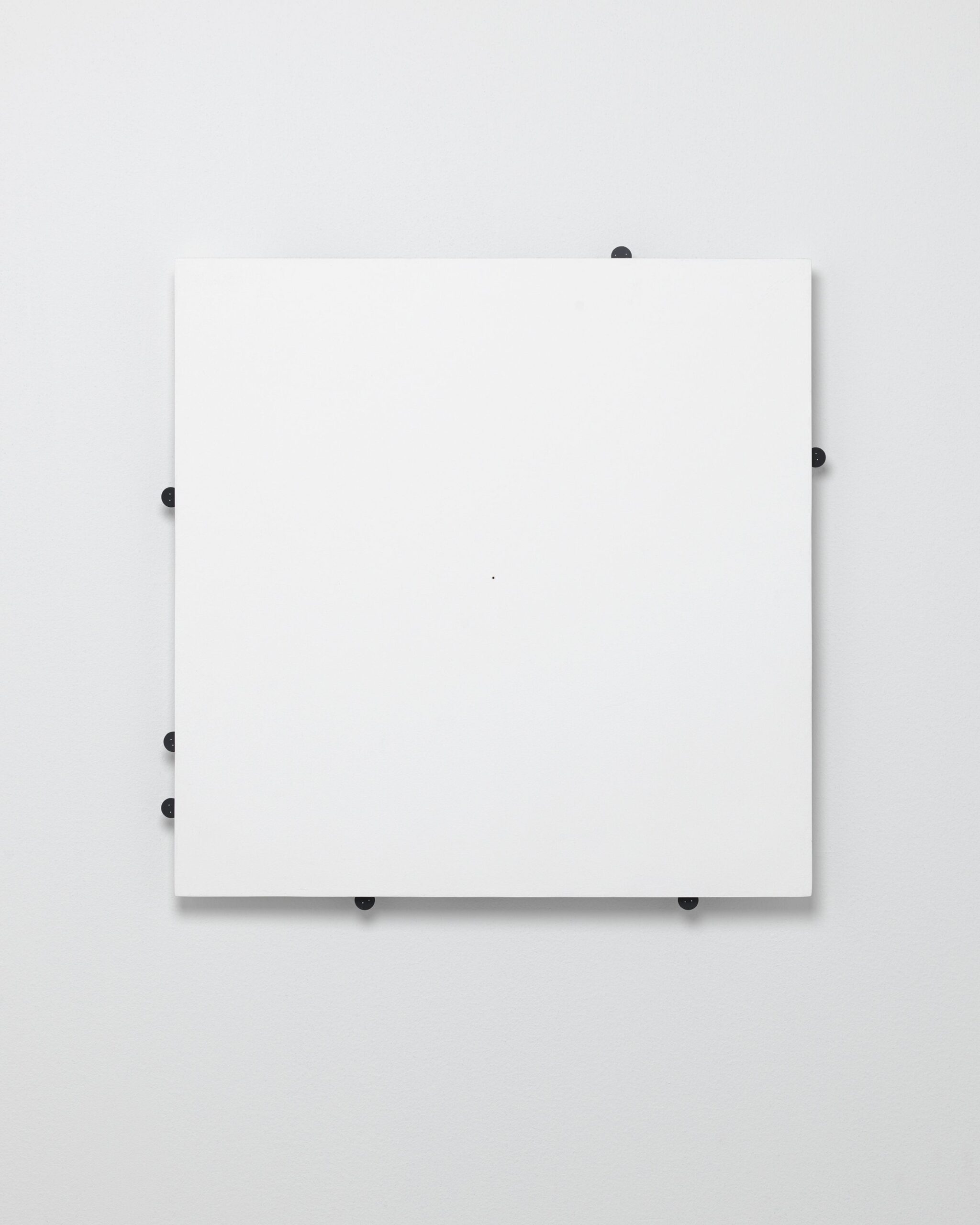
Pors & Rao
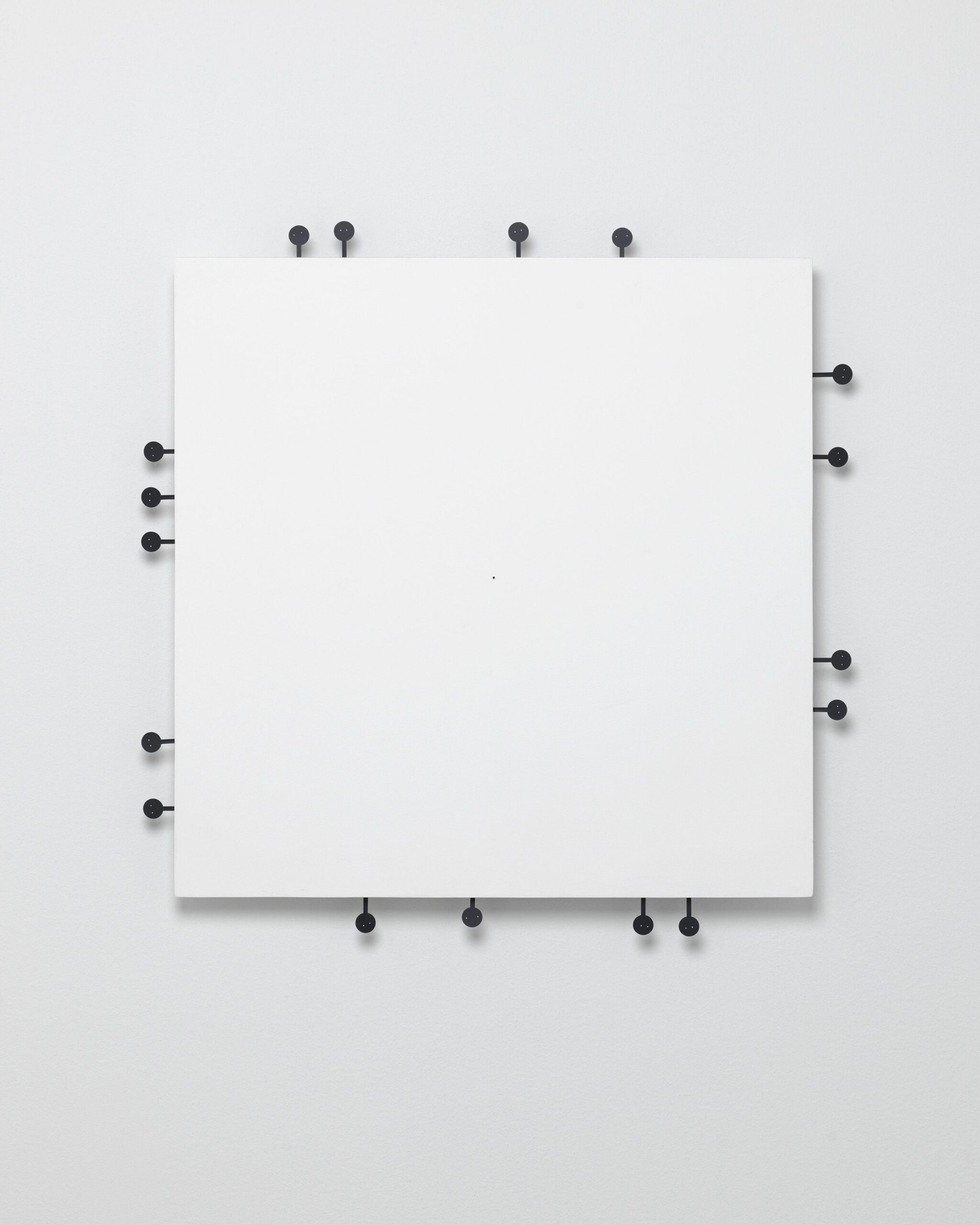
Untitled examines the primitive instincts that are common to all animals, humans included. Most species react to fear instinctively by fighting, fleeing or freezing. This work portrays sensitive life forms that prosper in silence and react to noise and loud sounds by hiding. Pors & Rao is an artist duo whose works are often interactive and include robotics.
This work reacts to sound. You can clap your hands or make some other sound.
Sarfaty, Gretta
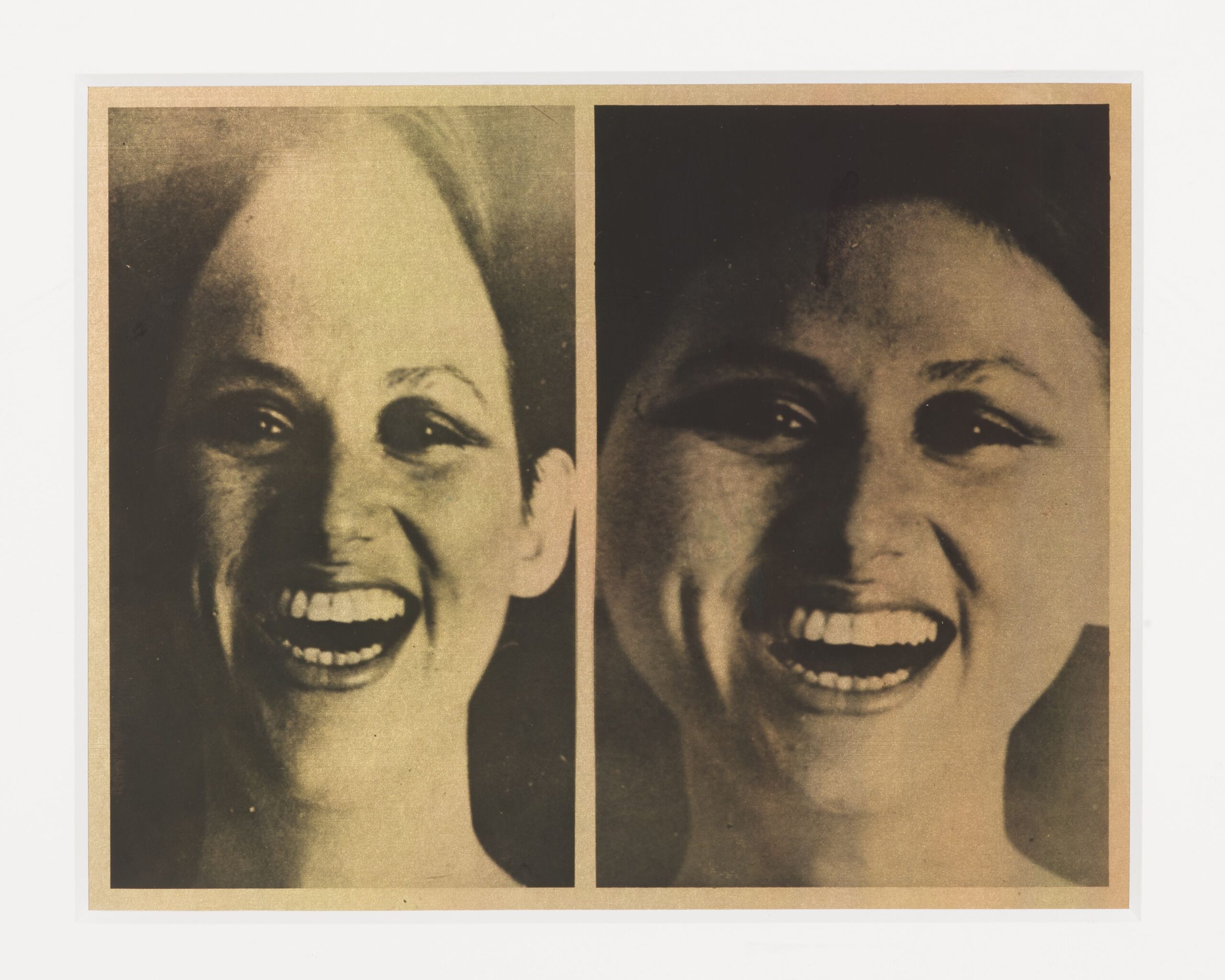
Gretta Sarfaty is a Greek Brazilian artist who, in the 1970s, was one of the pioneers of body art and feminism in Brazil. Her photographic series Transformations and A Woman’s Diary dismantle the dominant image of women of the day as passive objects of the gaze, revealing the rebellious and active aspect of the body. Using her own body as the starting point for the works, Sarfaty explores processes of identity construction and transformation, questioning socially imposed ideals of femininity and beauty. Her practice explores how the body can serve both as a regenerative medium of expression and as an archive. The work, created through a performative process, invites the viewer to reflect on questions such as the continuous transformation of the self.
Singh, Dayanita
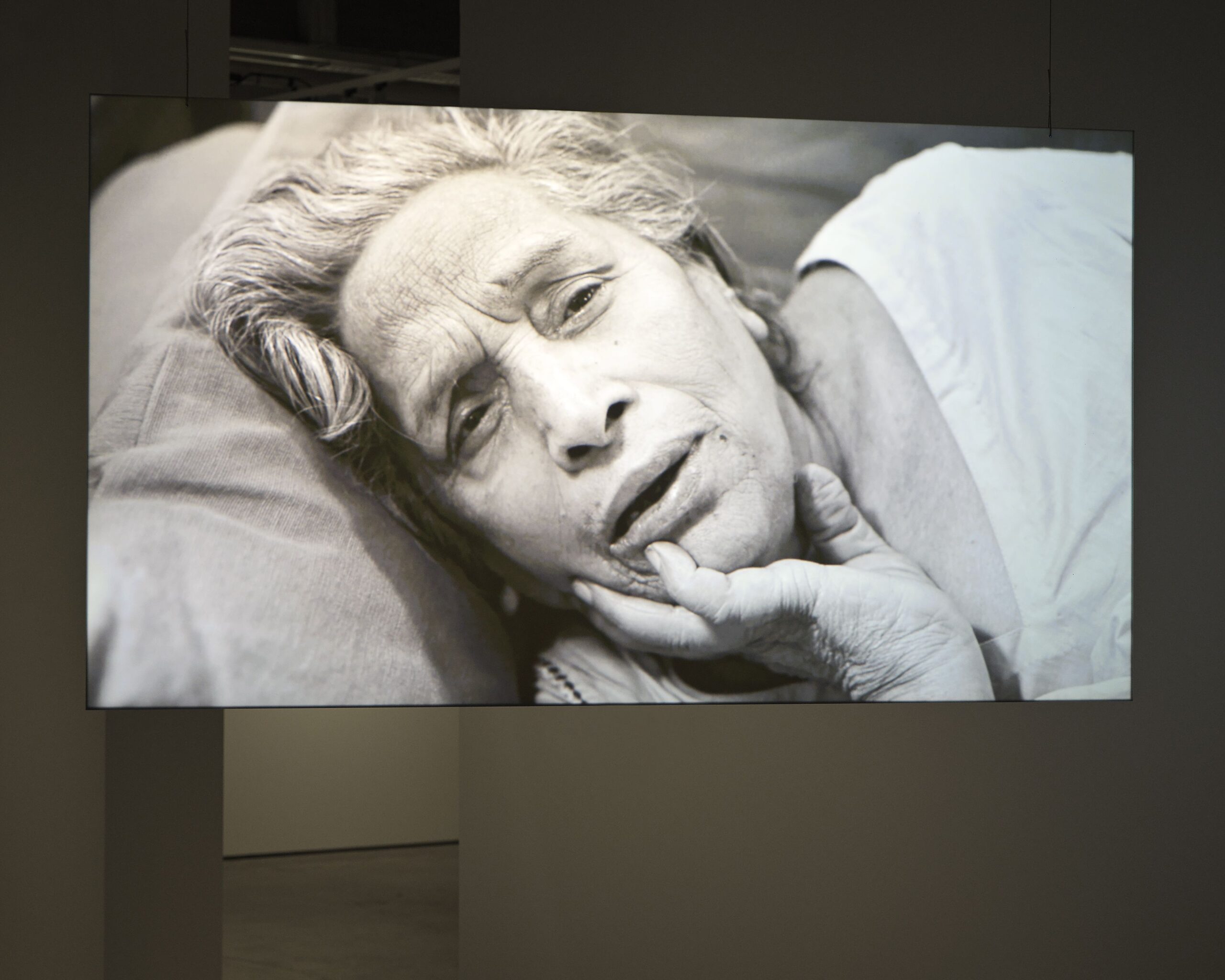
Dayanita Singh is an artist from Delhi, India who primarily works with photography. Mona and Myself is what Singh calls a ‘moving still image’ of the artist’s lifelong friend Mona Ahmed, who passed away in 2017 and appears in hundreds of Singh’s photographs. Singh says that her relationship with Mona Ahmed is captured poignantly in this video, which came about by chance during a photo shoot. Unlike photographs, the video conveys their bond also through music and the sound of their breathing. Singh has published fourteen photobooks, one of which is an intimate portrait of Mona Ahmed’s extraordinary life living in New Delhi in the 1990s.
Staff, P.
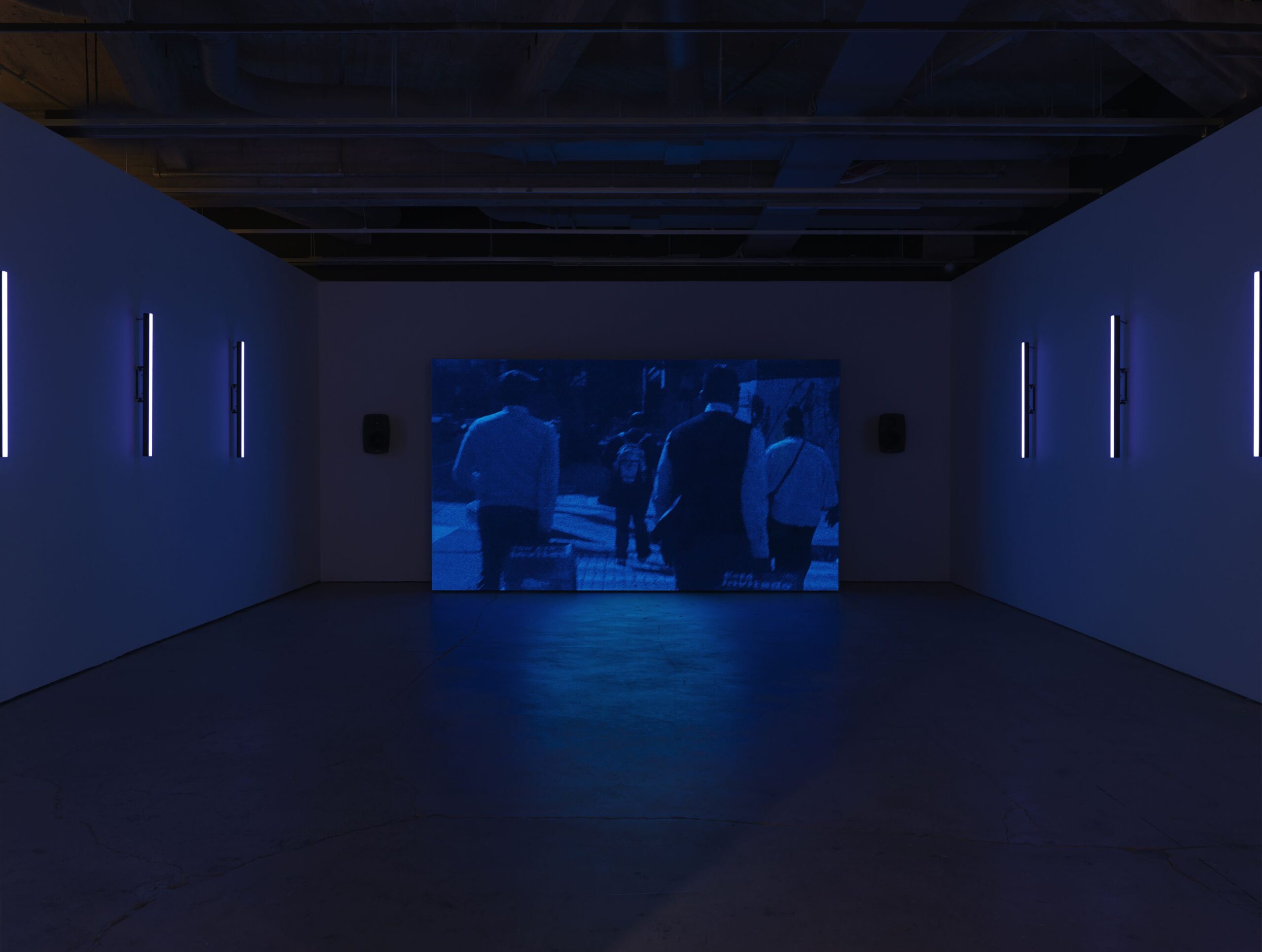
The title of The American Night by London- and Los Angeles-based artist P. Staff refers to a filming technique in which night is simulated through the use of specific camera lenses and filters, casting the world into an artificial nocturnal twilight. While using the technique in this work, Staff makes no attempt to conceal that it was shot in Los Angeles in daylight: people walk along streets and in the park, the sun shines, birds fly overhead. By aggressively manipulating perception with flickering lights and a collage-like soundscape, the familiar world is made to seem alien, even ominous. As the artist has observed, sometimes the most ordinary and everyday things can seem the most terrifying.
Wearing, Gillian
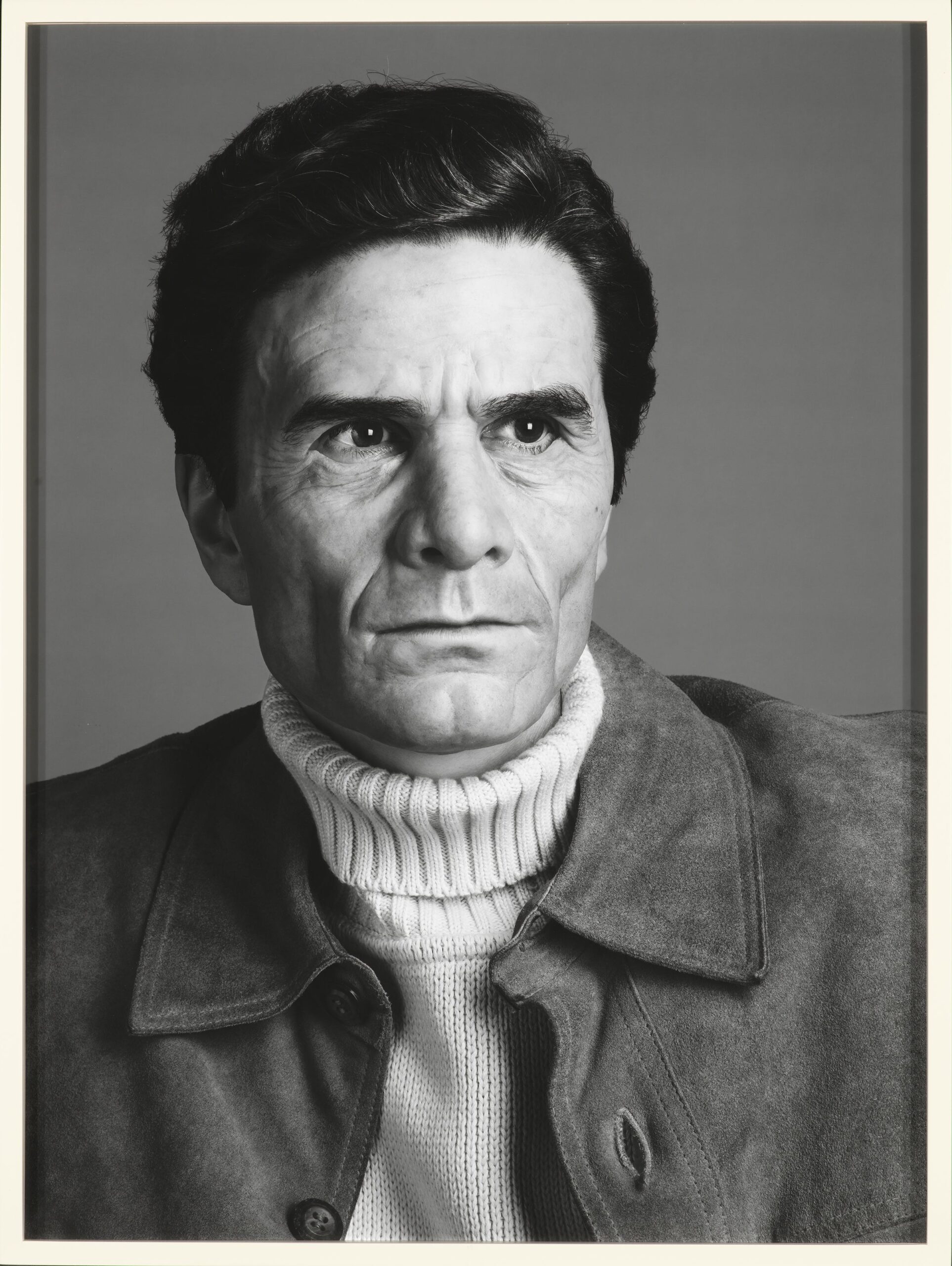
Gillian Wearing is a British artist who explores identity, roles and self-portraiture. In her work Me as Pier Paolo Pasolini, Wearing immerses herself in the character of the Italian film director through a carefully crafted mask. The piece explores the construction of identity as it is affected by the gaze, memory, and cultural imagery. Wearing challenges us to consider whose story an artist can tell.
Saastamoinen Foundation Art Collection
Saastamoinen Foundation is a long-term supporter of art and science in Finland and internationally. Its renowned art collection is one of Finland’s most significant collections of Finnish and international art and continues to grow through new acquisitions. The origins of the collection lie in works of art acquired by a prominent industrialist family based in Kuopio, Eastern Finland. Liisa (née Saastamoinen) and Osmo P. Karttunen established the foundation in 1968 with the aim of advancing society through science and art. Since its establishment, the foundation has been responsible for the development, preservation and display of the art collection. Owned by the family foundation and deposited at EMMA, the collection currently comprises more than 3,000 works.