Espoo Museum of Modern Art
Howard Smith: Retrospective 1965–2010
Mobile Guide
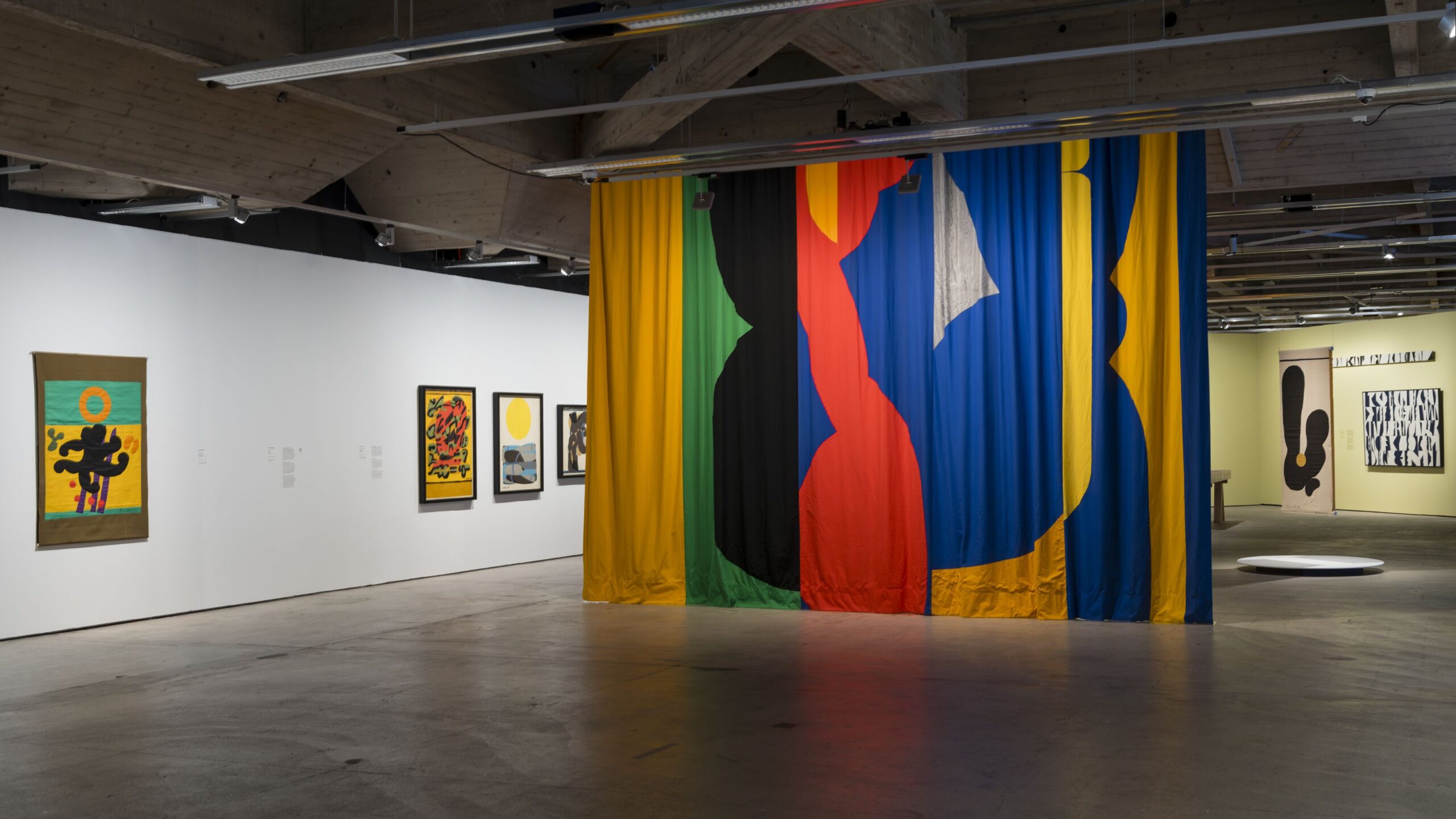
Howard Smith’s (1928–2021) exhibition presents works by the beloved artist from the 1960s through to the 2000s as part of EMMA’s series showcasing modernist classics. The show is a tribute to Smith’s open-minded art and his significance in the history of Finnish art and design. Smith is a rare example of an African American artist who had a major impact on the development of Finnish visual culture.
About the Artworks
Stage Curtain for Sylvää School
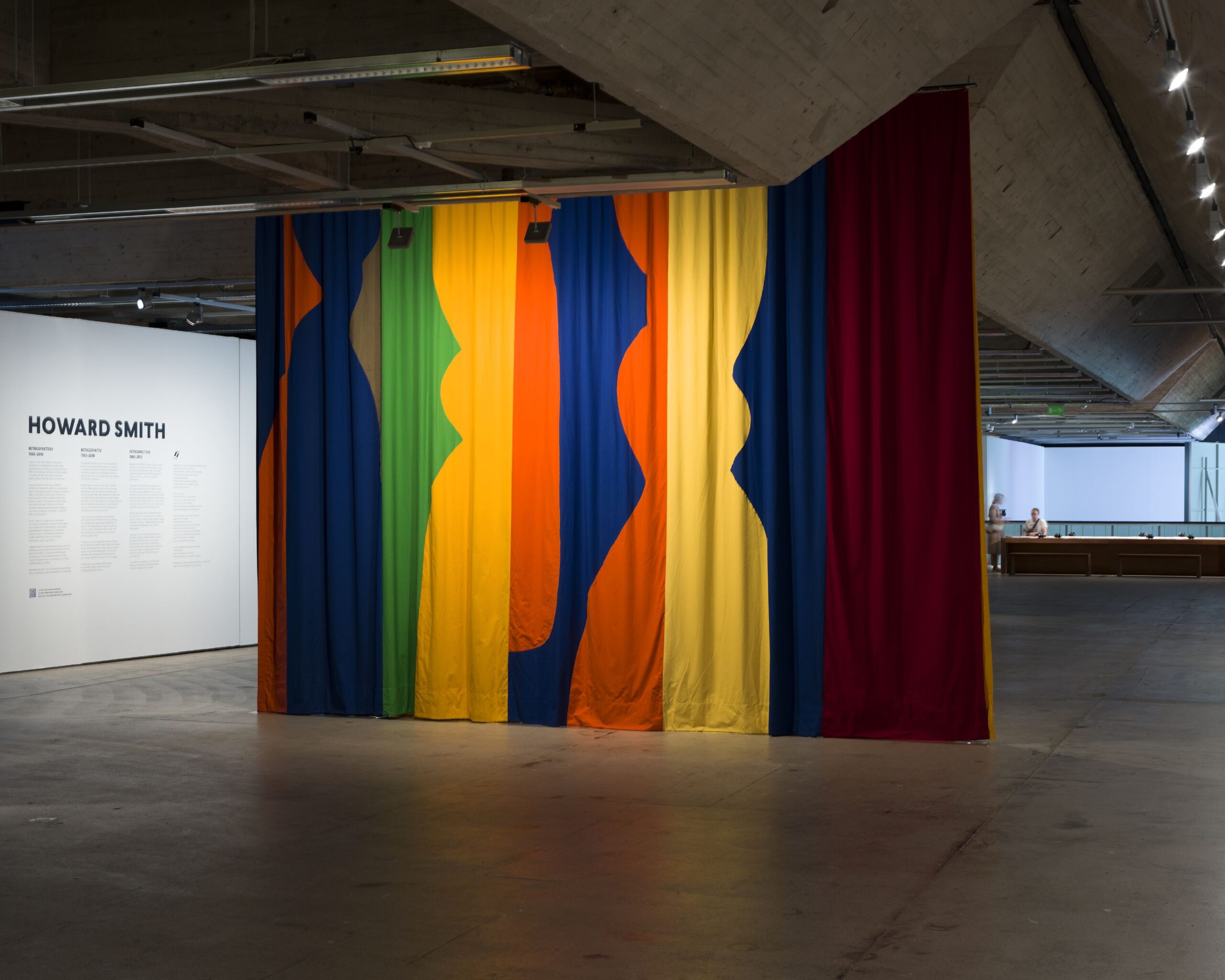
Howard Smith created several artworks as part of building projects, working in collaboration with architects. The stage curtain for Sylvää School in Sastamala is the first work he made together with architect Osmo Lappo. Designed for the stage of the school’s 300-seat auditorium, the curtain consists of two double-sided sections, each 4.2 metres high and 5.5 metres wide. In this exhibition, the sections are presented in an unusual way, with their reverse sides facing each other. Smith and Lappo continued their collaboration in the 1970s at the Vekarajärvi garrison, where Smith conceived and realised three large murals.

Silkscreen Series
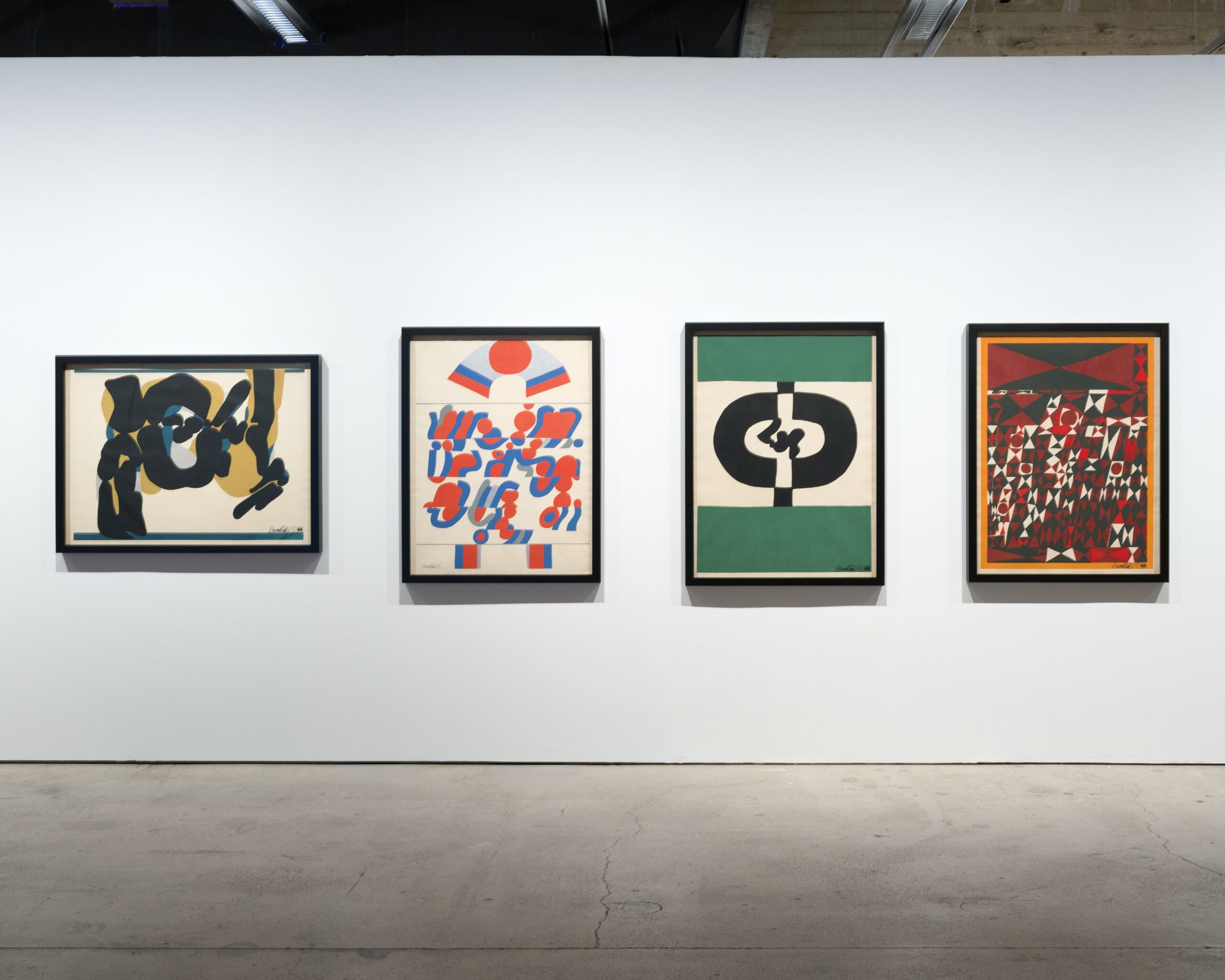
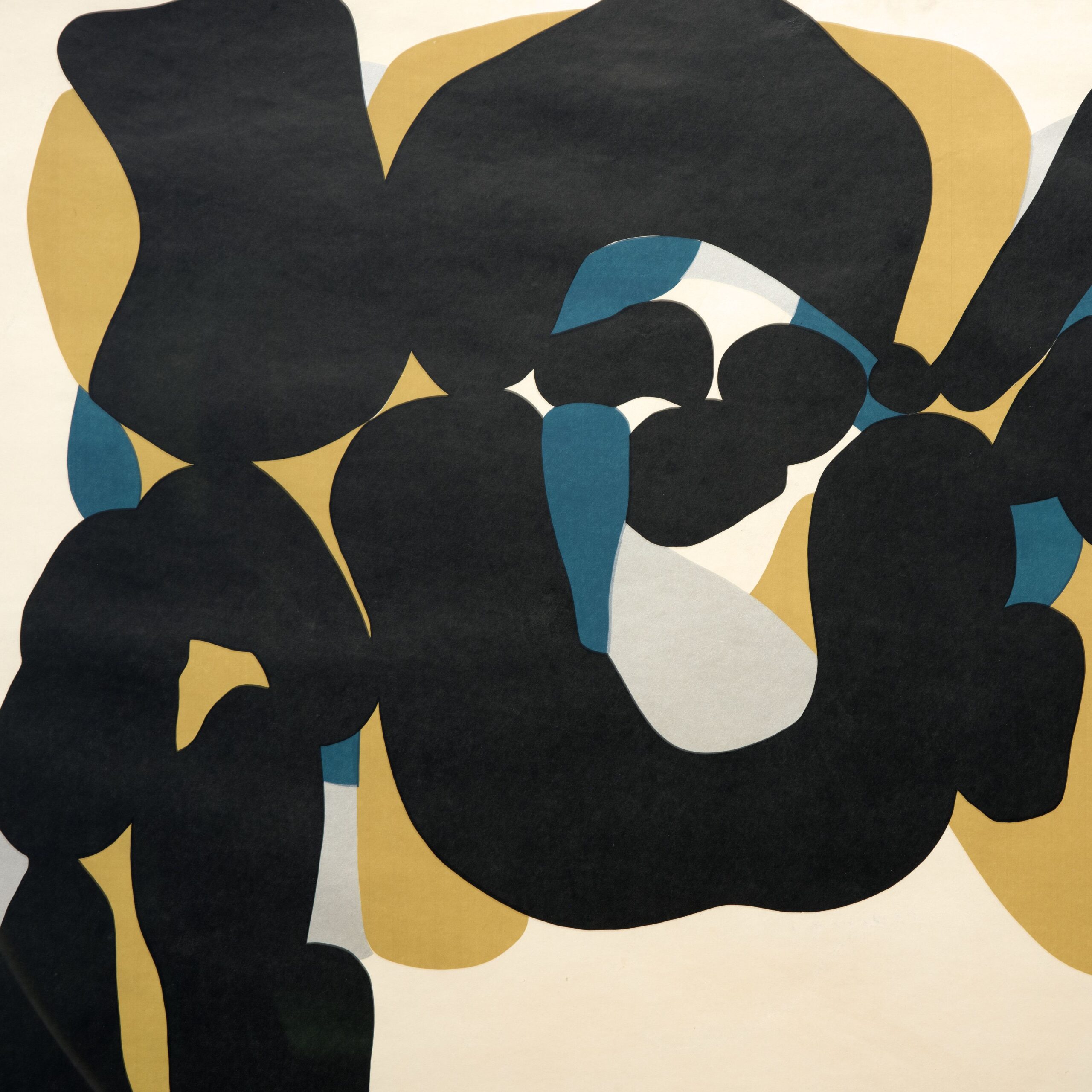
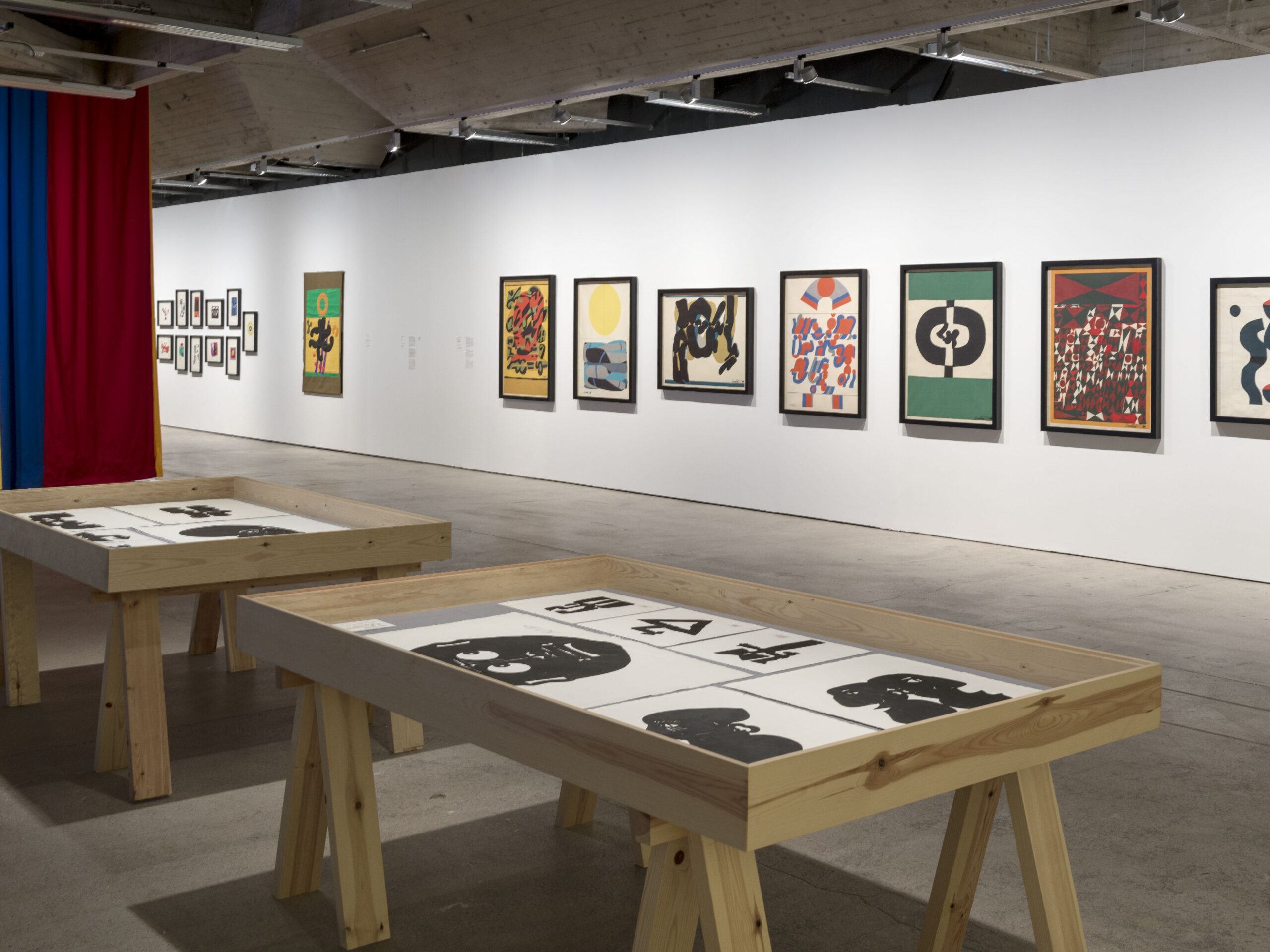
This series of silkscreen prints from the 1960s displays the lively use of colour and bold formal language typical of Howard Smith’s output. Other recurring elements in his work are faces, eyes and text. Silkscreen, or serigraphy, was a favoured technique for Smith, not least because of its reproducibility. Because the prints were produced in editions, they could be sold at a lower price. Howard Smith wanted to make art that was accessible to as many people as possible.
The Duel
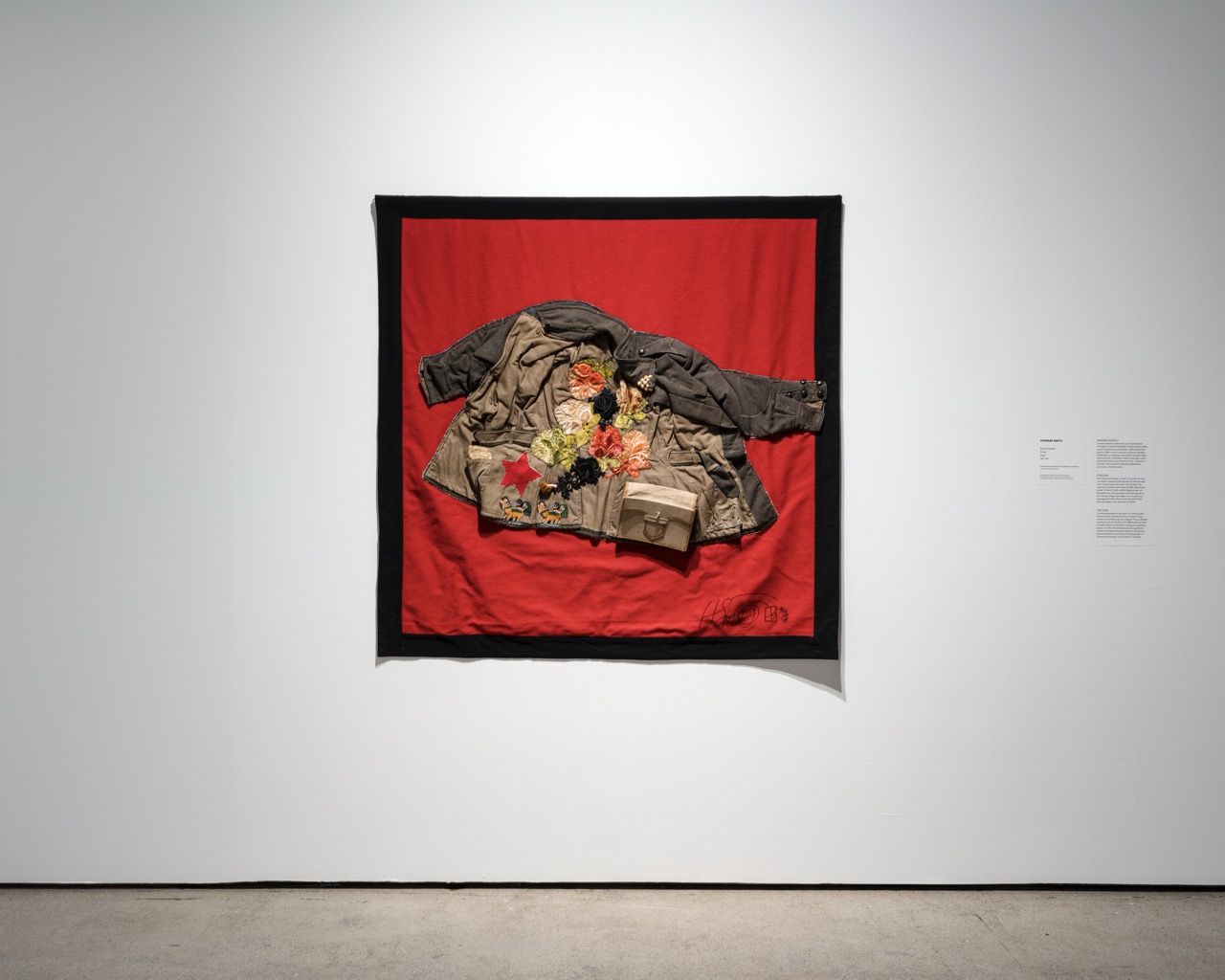
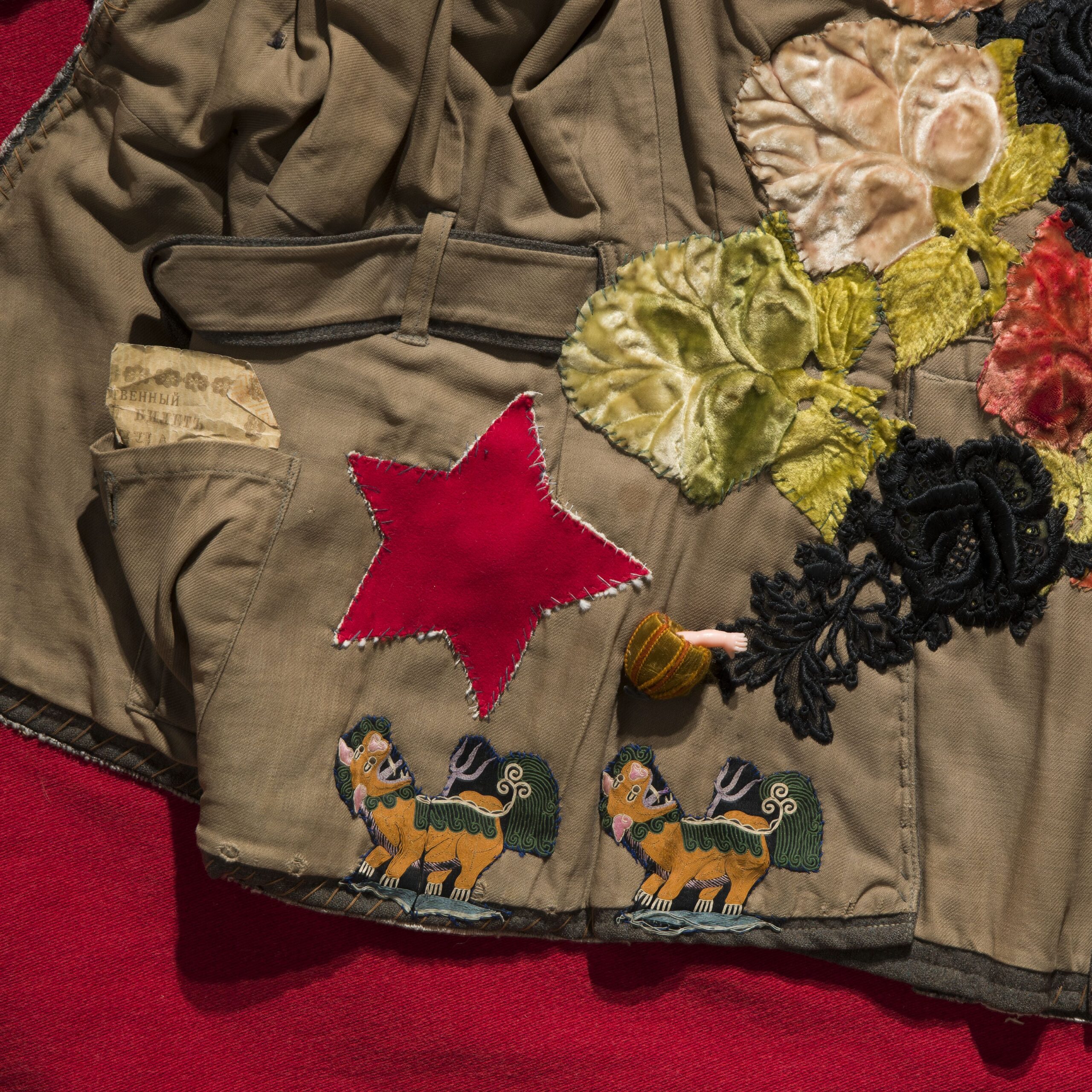
The central element of this work is a military jacket. Howard Smith collected all kinds of objects, many of which found their way into collages. He was already working on pieces like this in the 1960s when he lived in Finland. Based on exhibition catalogues and photographs, it is clear that Smith produced a significant number of collages featuring a jacket as the primary ground. However, only a few surviving examples of coat works are known, one of which is The Duel.
Acrobats
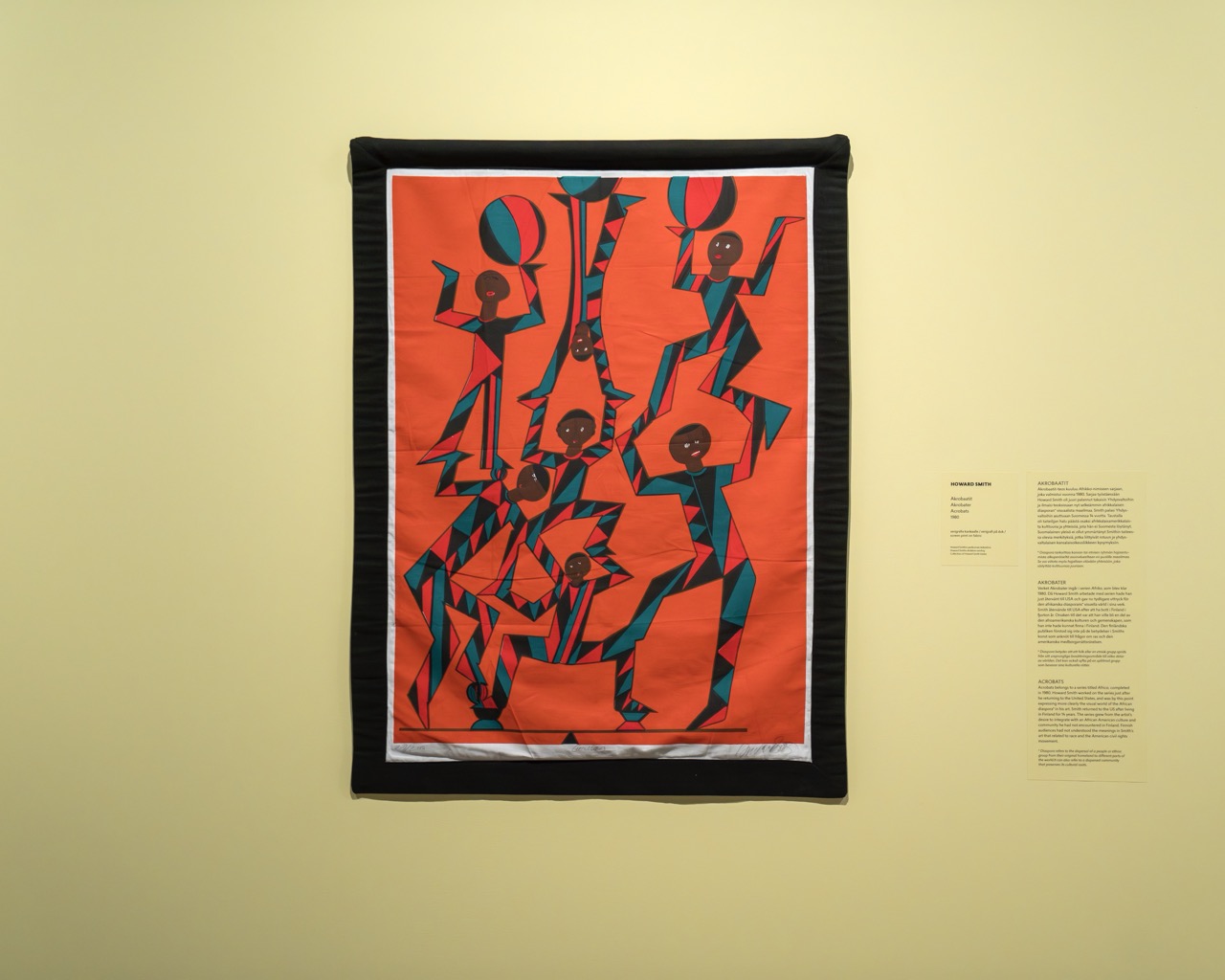
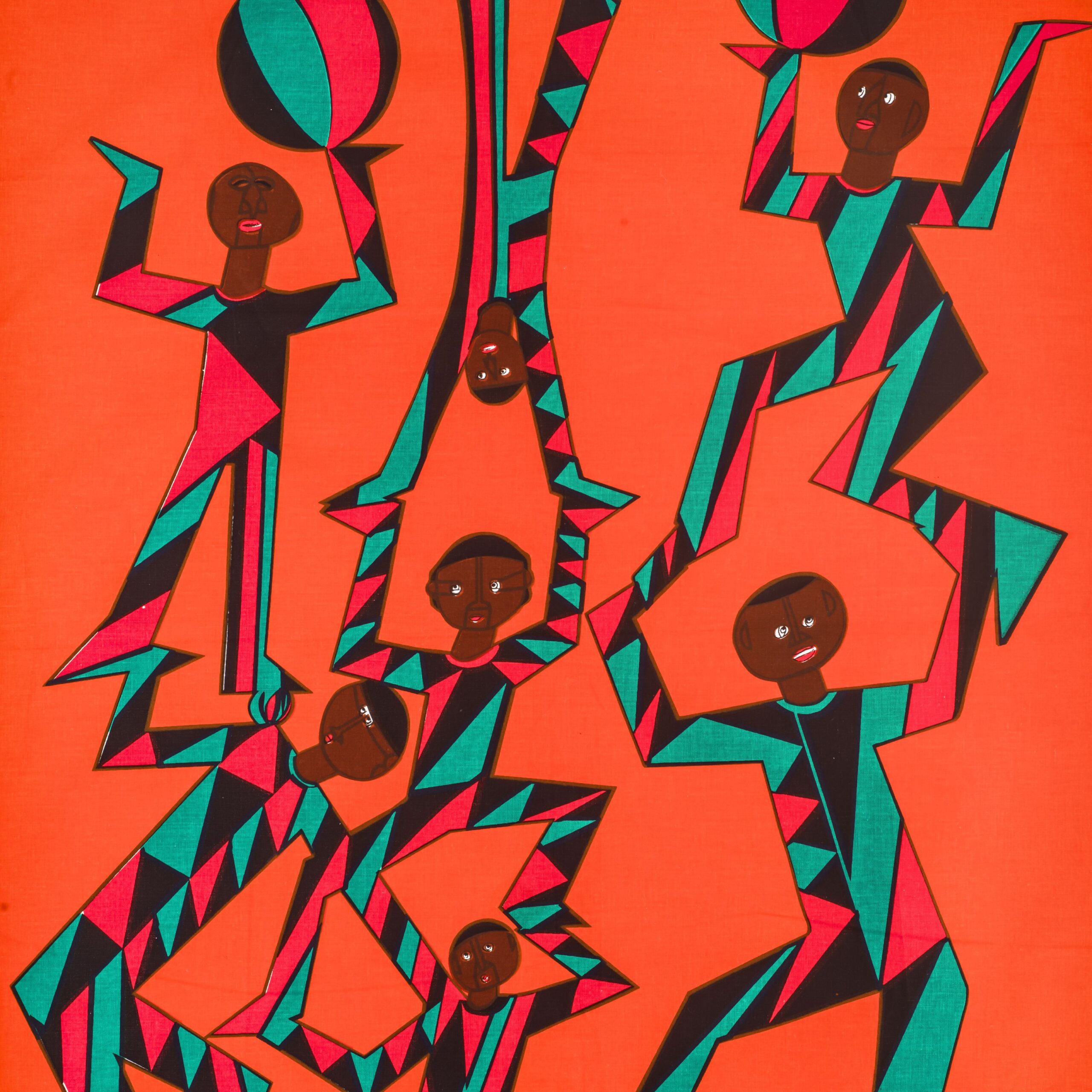
Acrobats belongs to a series titled Africa, completed in 1980. Howard Smith worked on the series just after he returning to the United States, and was by this point expressing more clearly the visual world of the African diaspora* in his art. Smith returned to the US after living in Finland for 14 years. The series grew from the artist’s desire to integrate with an African American culture and community he had not encountered in Finland. Finnish audiences had not understood the meanings in Smith’s art that related to race and the American civil rights movement.
* Diaspora refers to the dispersal of a people or ethnic group from their original homeland to different parts of the world. It can also refer to a dispersed community that preserves its cultural roots.
Ceramics
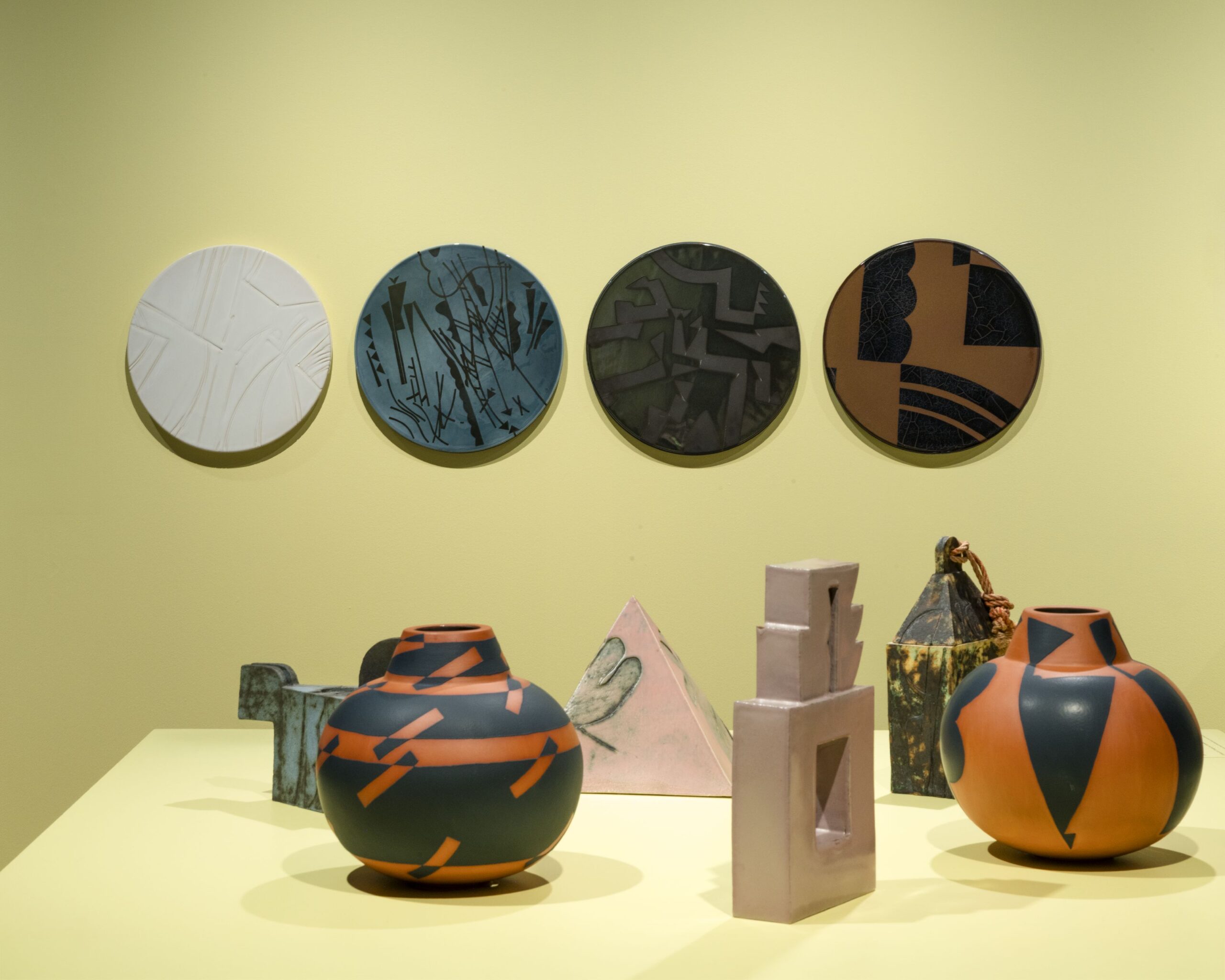
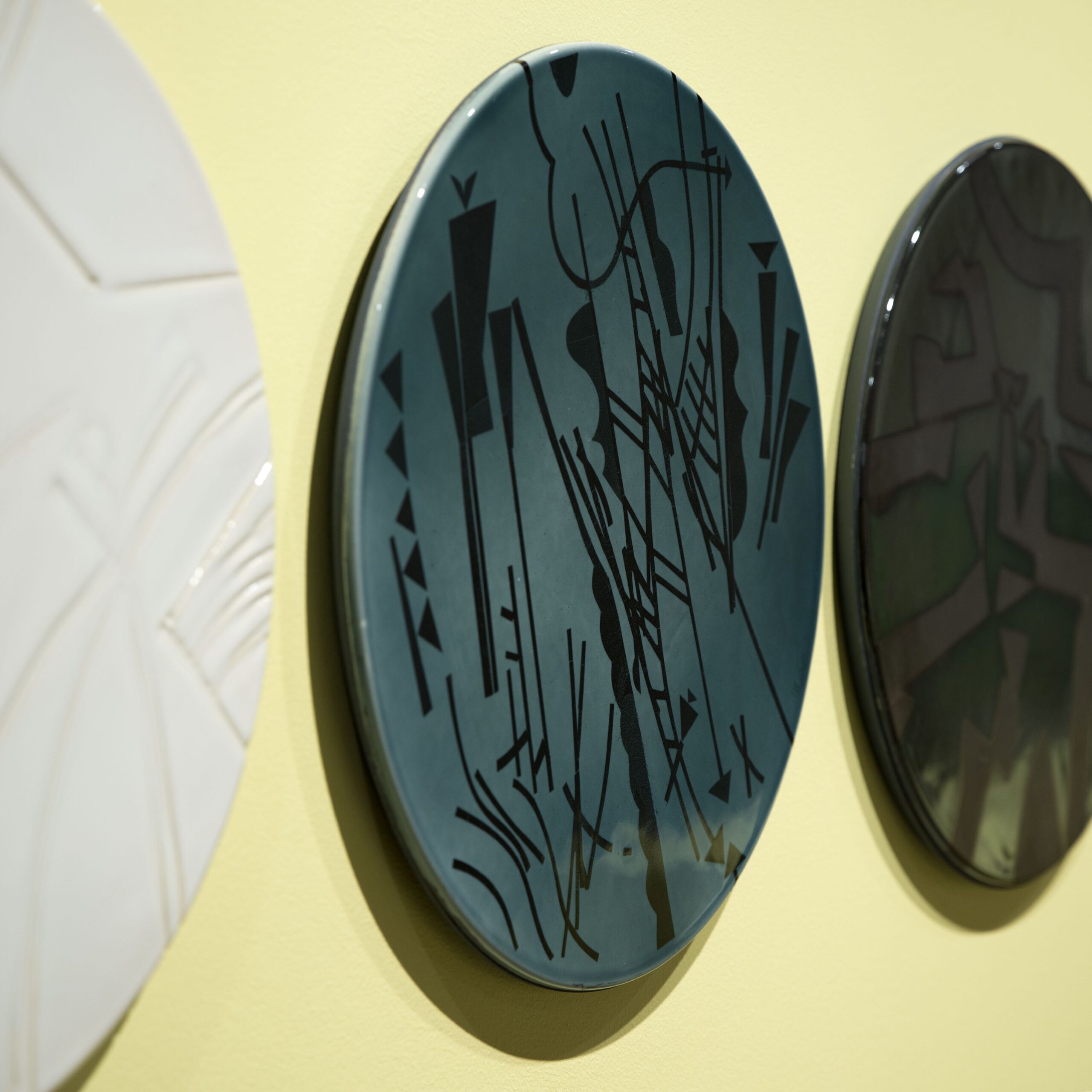
Howard Smith worked as a designer at Arabia from 1986 to 1995. There he became acquainted with Erna Aaltonen, who had joined the factory at the same time as a trainee.
The Drummer series is an example of Howard Smith’s output from his Arabia period. The set comprised a saucer, a footed bowl and a tall vase, all decorated by Smith. With the patterns on the Drummer series, Smith wanted to capture the rhythms of drumming. For him, they represented one form of communication.
Howard Smith and Erna Aaltonen became a couple and together founded the company Arteos in 1987. They moved to Lumppulinna in Tervakoski, where they had both studio space and a home. Among Arteos’s first products included a series of ceramic birds familiar to many Finns, made by hand in small batches. In the mid‑1990s, the production of the birds moved to the Arabia factory for mass production.
Papercuts
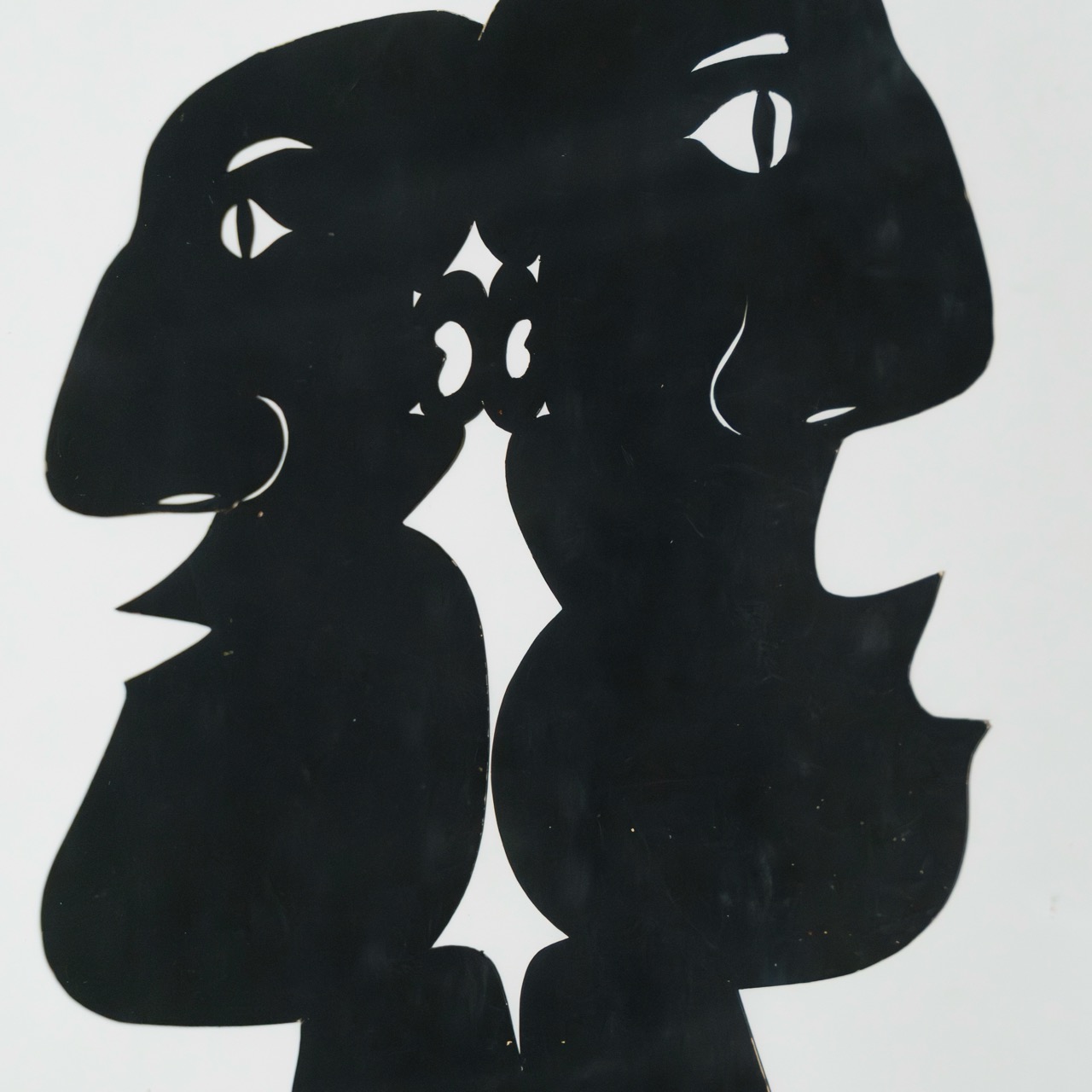
Papercuts are a significant part of Howard Smith’s oeuvre. Smith used single-colour paper to cut imaginative figures that blend human-like features with abstract shapes. By cutting paper, he was able to create complex pictorial motifs quickly. He would sometimes switch technique and explore a papercut subject as a printed fabric, in ceramics or as a large-scale plywood cut-out. Working on paper in its various forms was the most important and longest-lasting medium for Howard Smith.
Paintings
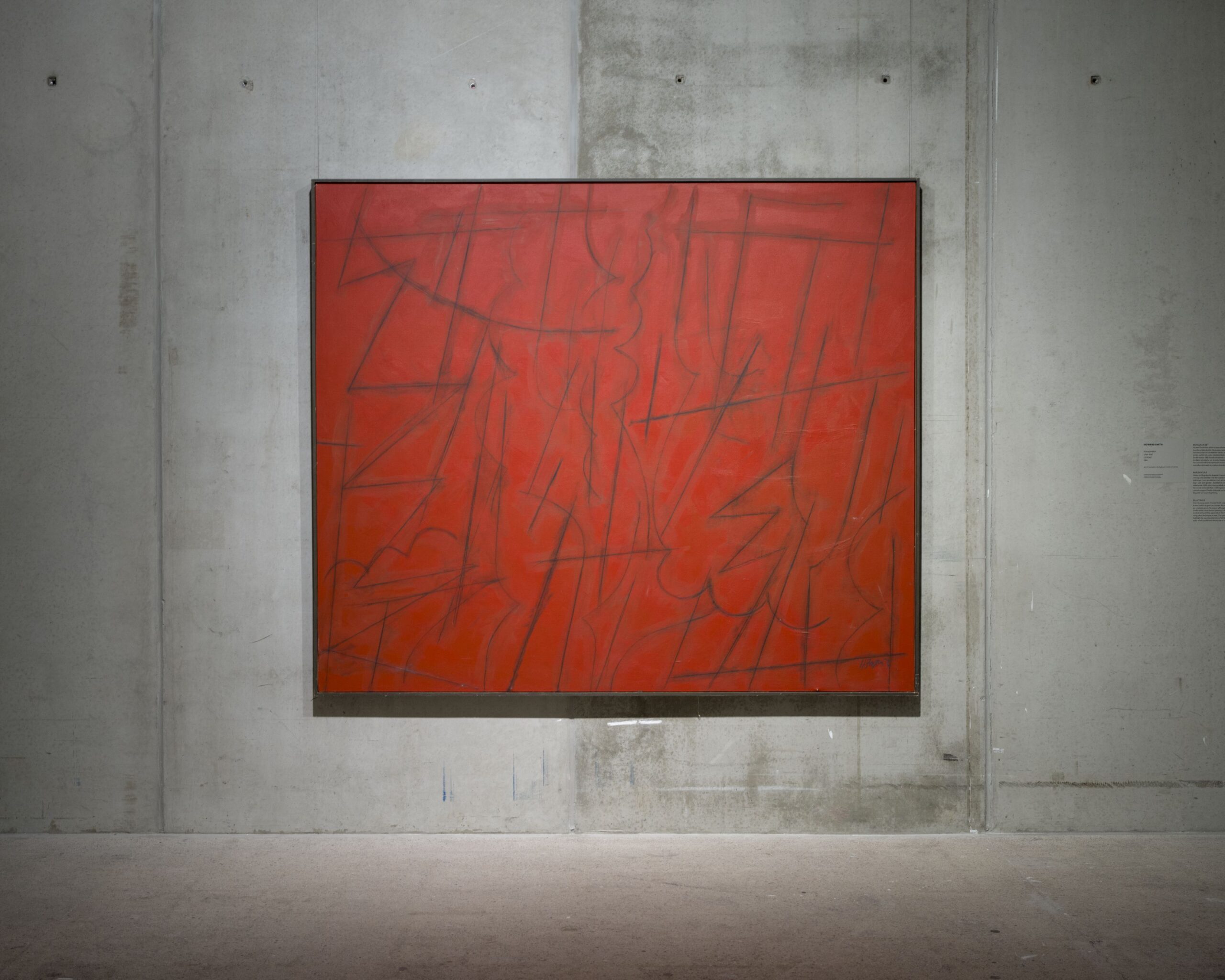
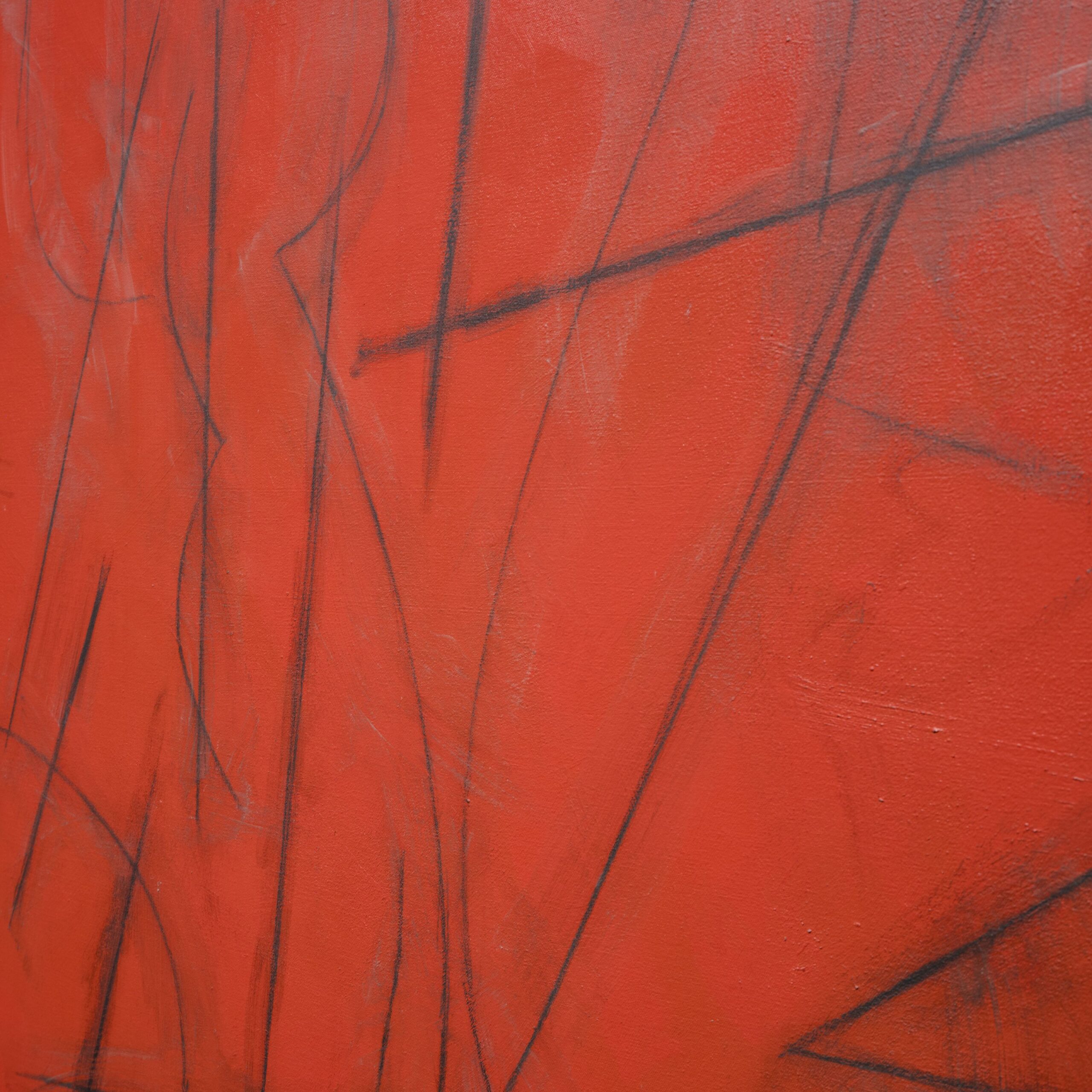
Over his long career, Howard Smith created work across a wide range of techniques. Actual paintings are relatively rare in his output, although his mixed media works could feature painting in them. Smith worked with painting especially in the 1980s, while using other techniques as well. The paintings highlight the key characteristics of Smith’s visual style: a bold palette and strong use of lines.
Faces
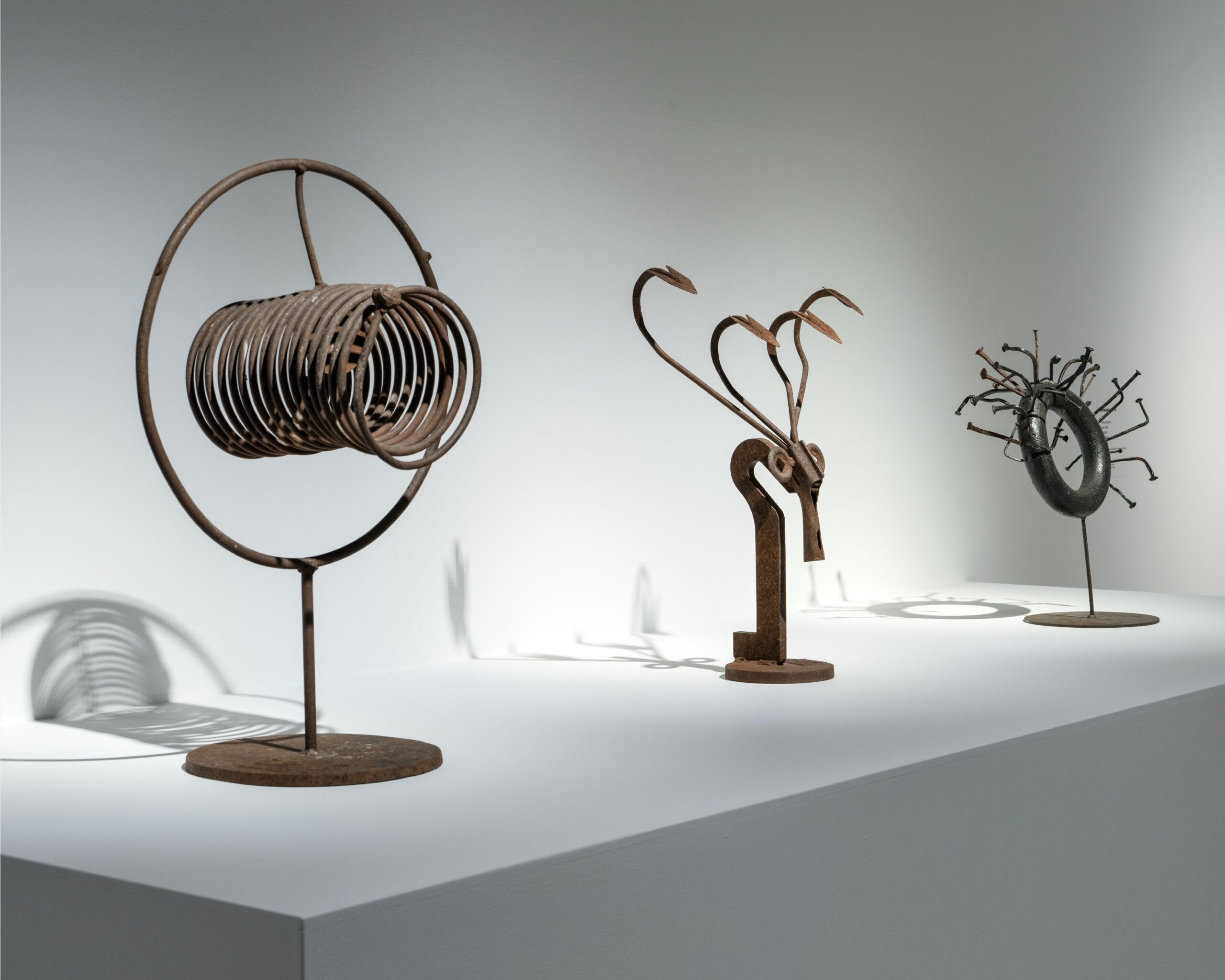
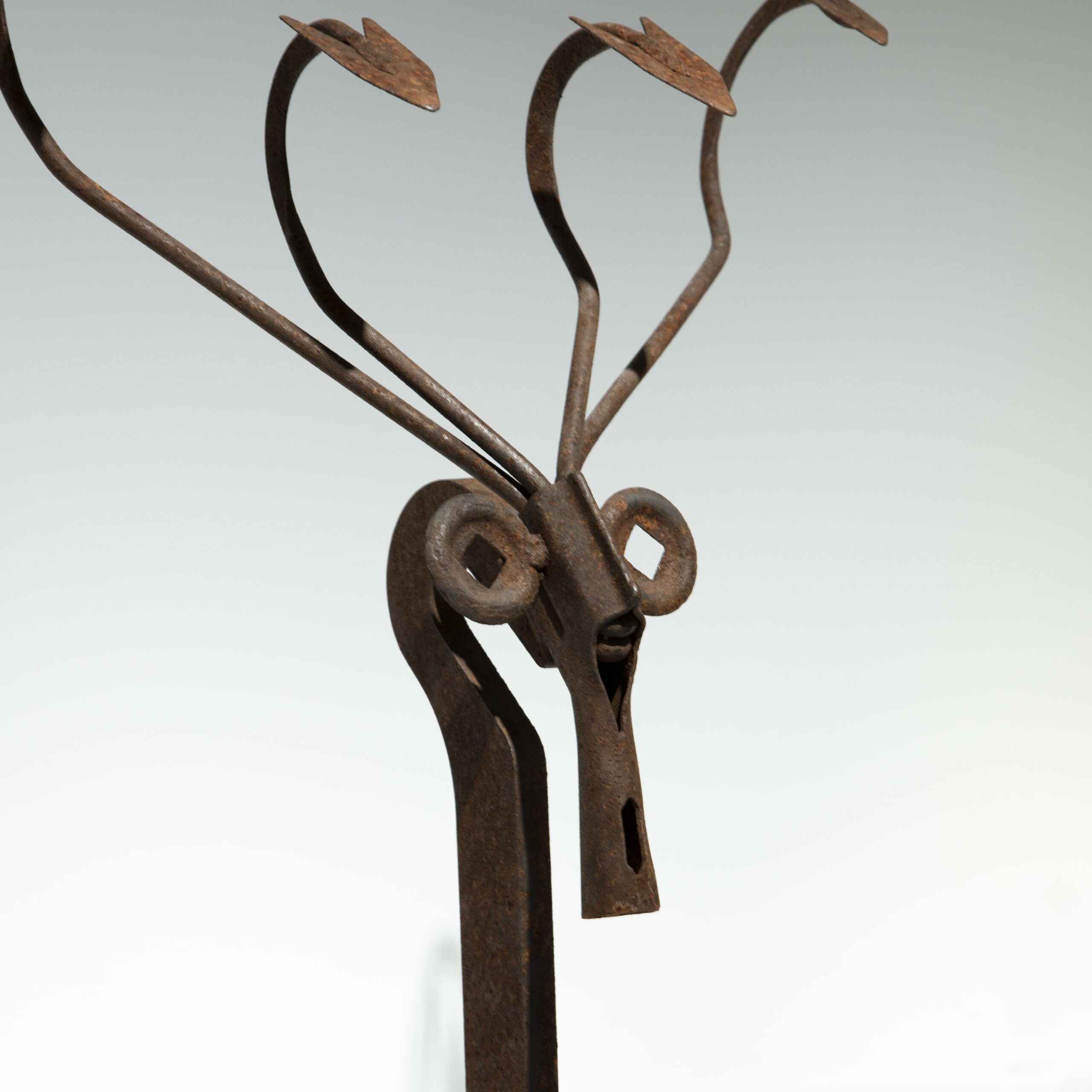
Howard Smith began making mask-like works from headgear in the 1980s when he was living in the United States. He shaped hats by folding or making small cuts, but at its simplest, he could create a mask by attaching small objects to a headpiece to suggest facial features. Around the same time, Smith also began depicting faces in his metal sculptures. During the 2000s, he produced a large number of sculptures made from scrap iron, for which he was assisted by a welder. In these face sculptures, the defining aspects are restraint of expression and emphasis on the inherent characteristics of the material.
Howard Smith's Life
Timeline
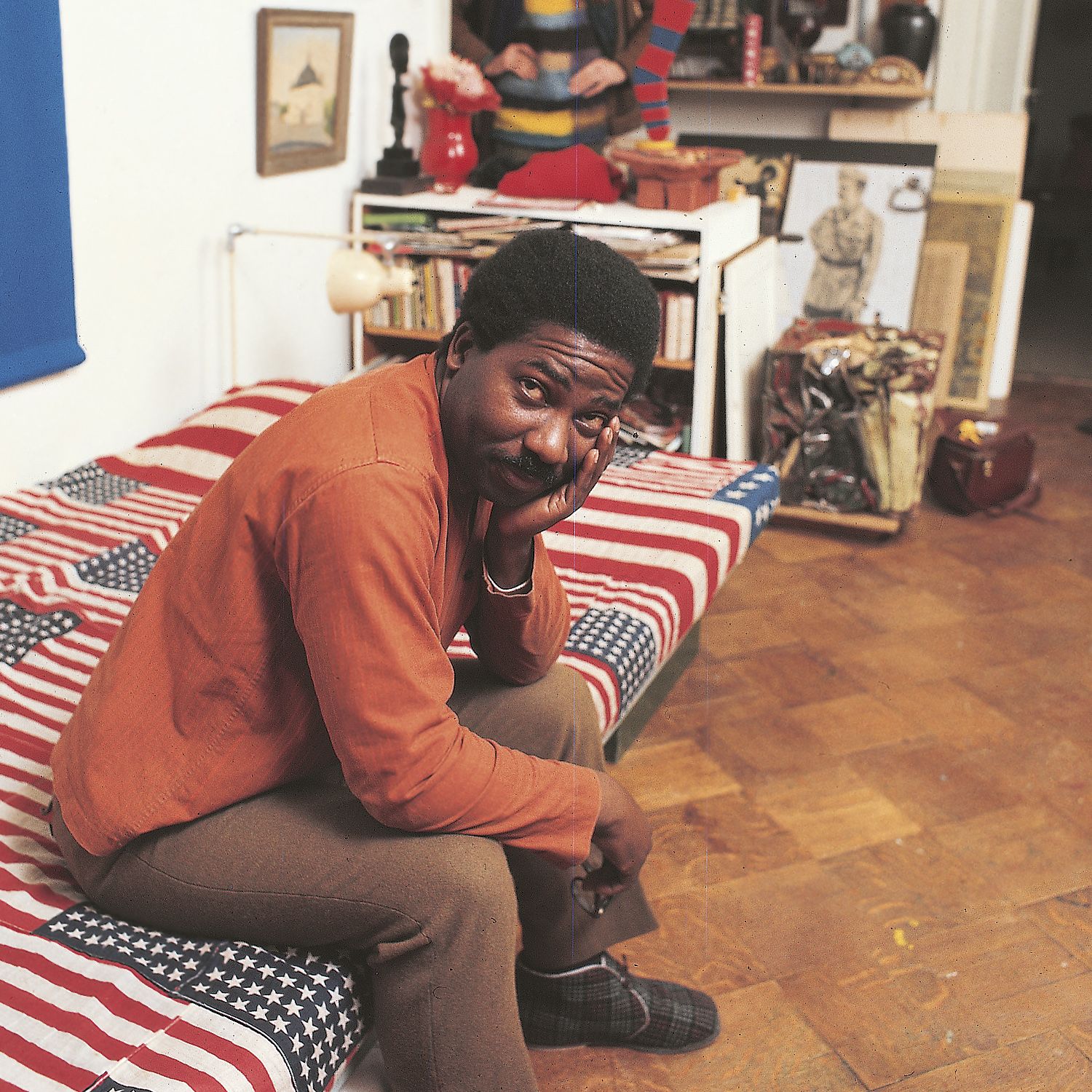
1928
Born on 17 April in Moorestown, New Jersey, USA. Parents are Sylvester Smith (1888–1960) and Mary McGregor (1889–1930).
Howard is the youngest child in a family of eight.
1930
Mother Mary Smith dies. The family moves to Green Tree, New Jersey.
1933
Starts school in Mount Laurel, New Jersey.
1937
Father Sylvester Smith remarries.
1940
Starts high school in Bordentown, New Jersey.
Leaves his studies before graduating.
1947
Moves to his brother Joseph in Mount Holly. Works at the local library.
1949–1958
Joins the army and is stationed at Fort Dix. During his military career, Smith serves not only in the United States but also in Japan, Korea and the Federal Republic of Germany.
1960–1962
Studies at the Pennsylvania Academy of the Fine Arts in Philadelphia.
1962
Smith arrives in Helsinki with the group Young America Presents for what is intended to be a short visit, coinciding with The Eighth World Festival of Youth and Students, organized by the Soviet Union. Young America Presents was a competing event organized by the United States as a counterpart to the Soviet‑run festival.
Decides to remain in Finland and settles in Westend, Espoo, and works as a graphic designer at the company Markkinointi Viherjuuri until 1963.
1963
Moves to Helsinki. Holds his first solo exhibition at Galleria Pinx, known for its focus on experimental art. Smith becomes acquainted with artists and designers active in Finland and quickly becomes an active figure in the art scene.
1965
Marries Raili Hakulinen.
1966
Daughter Satu Marja Lucille is born.
1967
Works as an assistant to Kaj Franck at the School of Arts and Crafts in Helsinki.
1968
Son Erik Josef Howard is born.
Begins working as a printed‑textile pattern designer at Vallilan Silkki Oy, where he continues until 1976.
1971
Moves with his family to Siuntio, Svartbäck.
1972–1974
Smith completes several public artworks from the early 1970s onward. The stage curtain for the Sylvää School auditorium is completed in 1972, the appliquéd altarpiece for the parish hall in Neue Stadt Wulfen in 1973, and the wall paintings for the Vekaranjärvi garrison in 1974.
Divorce from Raili Hakulinen in 1974.
1976
Moves to California.
1978
In his solo exhibitions, Smith presents new textile works, masks made from hats, and graphic art.
1979
Wall painting at Riihimäki swimming hall.
1980
Smith founds The Asanti Gallery in Pomona, California, together with his friend, art historian Samella Lewis.
1982
Works as a lecturer at La Verne College and Scripps College in California until 1984, and at the University of Art and Design Helsinki.
1985
Moves to Finland and works as a visiting artist at the Arabia ceramics factory in Helsinki.
1986
A solo exhibition featuring ceramics is presented at Galleria Bronda in Helsinki.
Smith begins his design work at the Oy Arabia Ab ceramics factory and continues there until 1995.
1987
Smith’s ceramics are shown in a solo exhibition at the Amos Anderson Art Museum and in a group exhibition at the Finnish Design Center.
Works as a lecturer in art history at Åbo Akademi University in Turku.
Concrete Relief is completed for the Viherlaakso Health Centre in Espoo.
1988
Founds the joint company Arteos with Erna Aaltonen, and they move to Tervakoski.
1991
Marriage to Erna Aaltonen.
Wall Relief is completed for the Leppävaara Swimming Hall in Espoo.
1993
Retrospective 30‑year exhibitions at Hämeenlinna Art Museum and Savonlinna Art Museum.
1996
Smith and Aaltonen move to Fiskars and renovate an old apple storage building into a home and studio spaces.
2001
Howard Smith receives the State Design Award.
2002
Howard Smith is awarded honorary membership of the Fiskars cooperative and the State Artist Pension. In the same year, a retrospective 40‑year exhibition was held at Galleria Nefret in Turku.
2005–2007
Public artwork Motionless Dancers is completed in Helsinki´s Arabia district.
2010
In the early 2010s, Smith becomes blind due to glaucoma.
2021
Howard Smith dies on 4 February at the age of 92 in Fiskars.
2024
Retrospective exhibition at Palm Springs Art Museum, California.
2026
Retrospective exhibition at EMMA – Espoo Museum of Modern Art.
Video Portrait
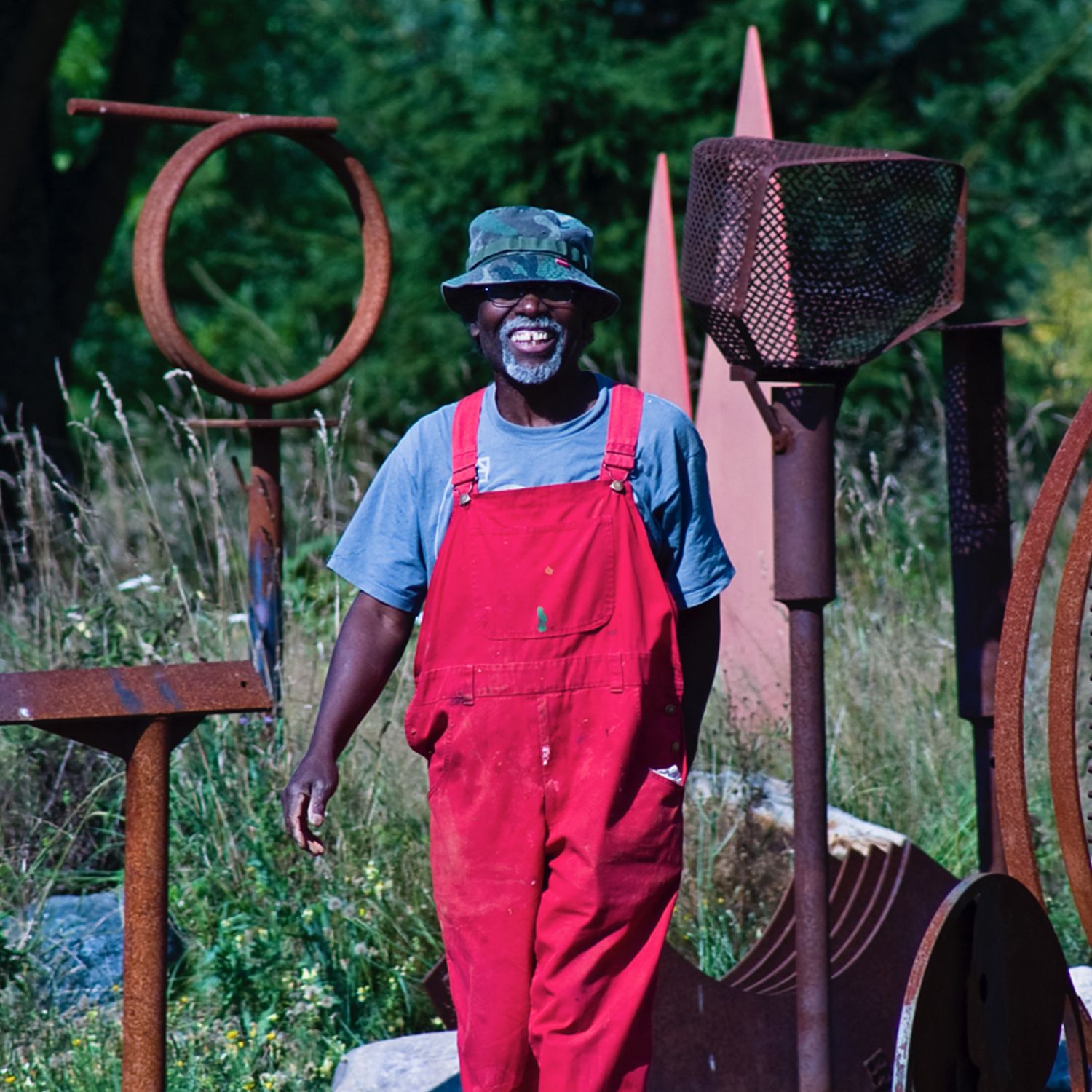
Watch Howard Smith’s video portrait on EMMA Zone!
The video introduces the artist’s life as told by his spouse Erna Aaltonen. Smith himself also appears through archival material.
Other Artists in the Exhibition
Sasha Huber
The Firsts – Howard Smith
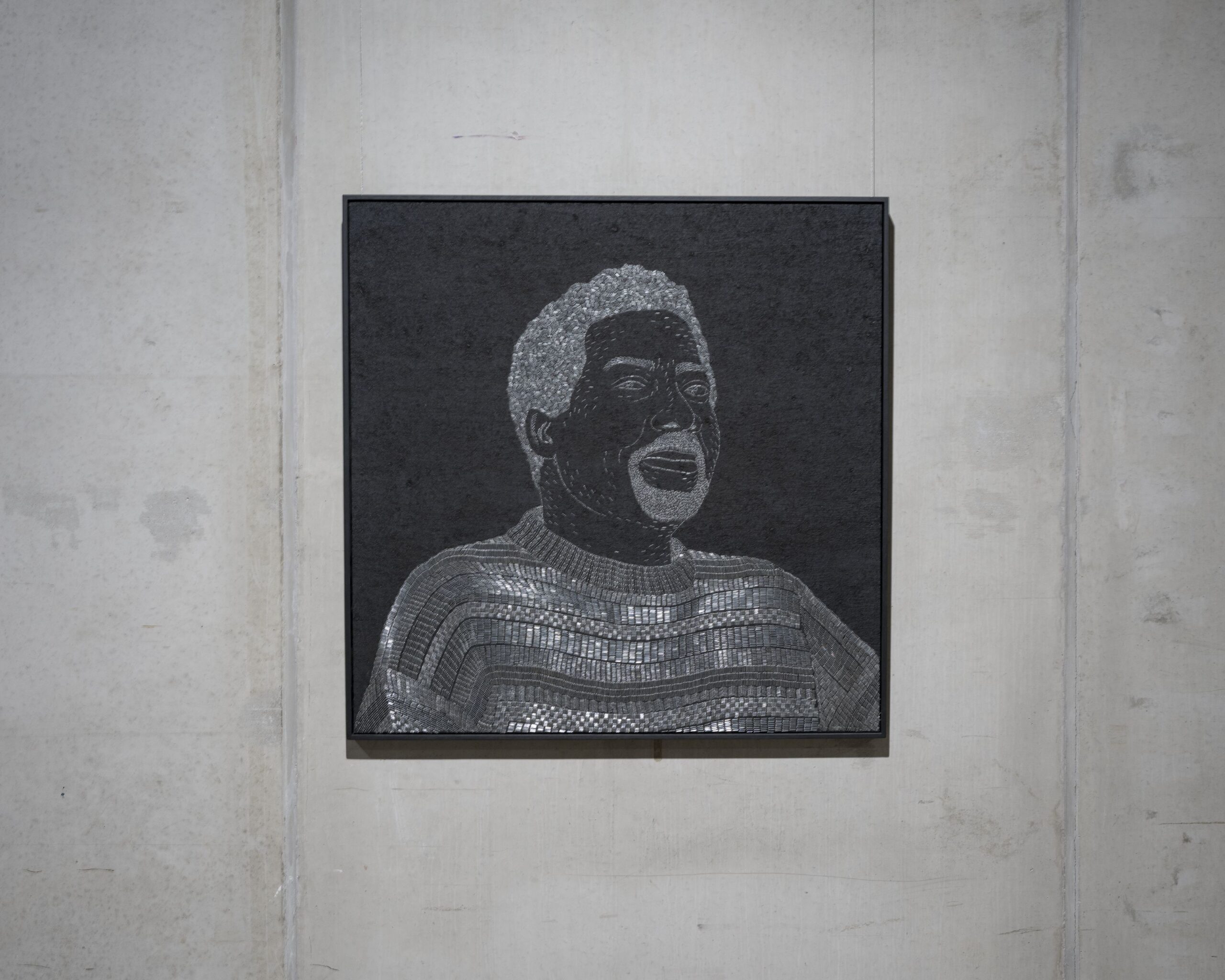
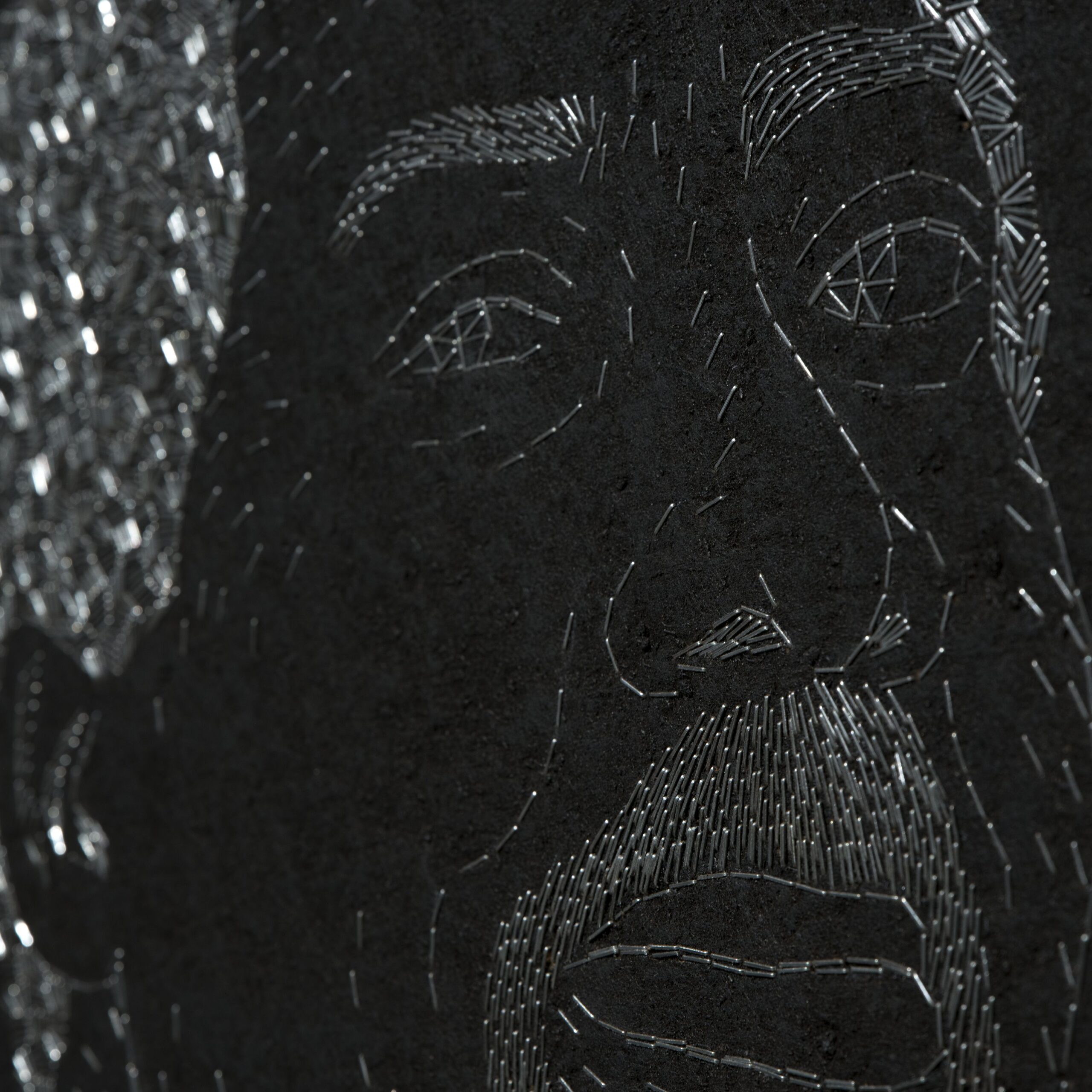
A commemorative portrait of Howard Smith, created by Sasha Huber (b. 1975), the Swiss‑Haitian‑Finnish artist living in Finland, is part of the ongoing series The Firsts. Her practice explores the politics of memory and belonging. The series depicts the first individuals of the African diaspora who settled in different parts of Europe during the 19th and 20th centuries. The technique Huber uses differs from traditional portrait painting: she creates the artworks by shooting staples into a black‑painted acoustic board with a staple gun. For her, it is a symbolic act of addressing the often‑overlooked histories of the people portrayed, while the staples represent the possibility of repair – symbolically stitching wounds together.
Ervin Latimer
Composition 1–3
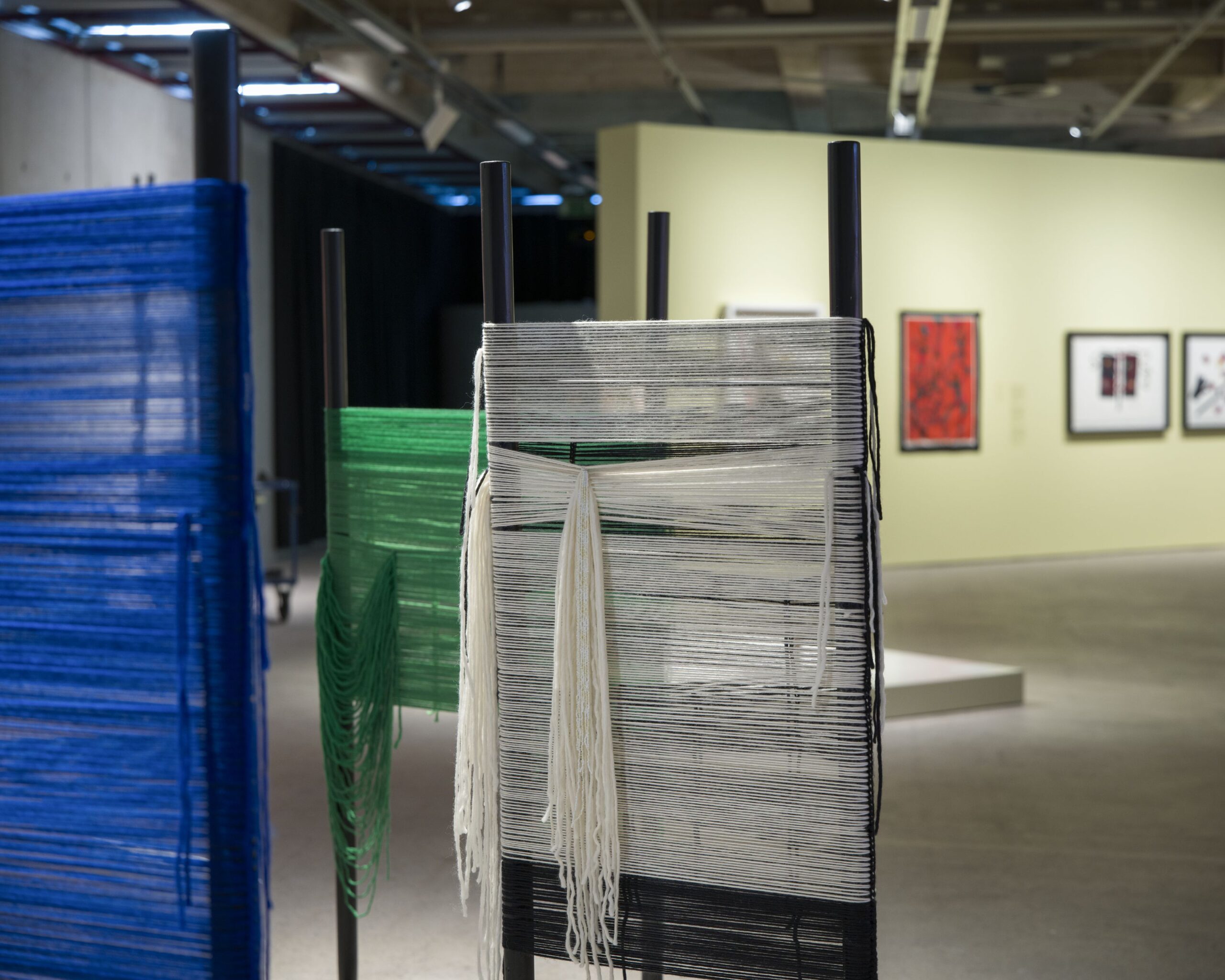
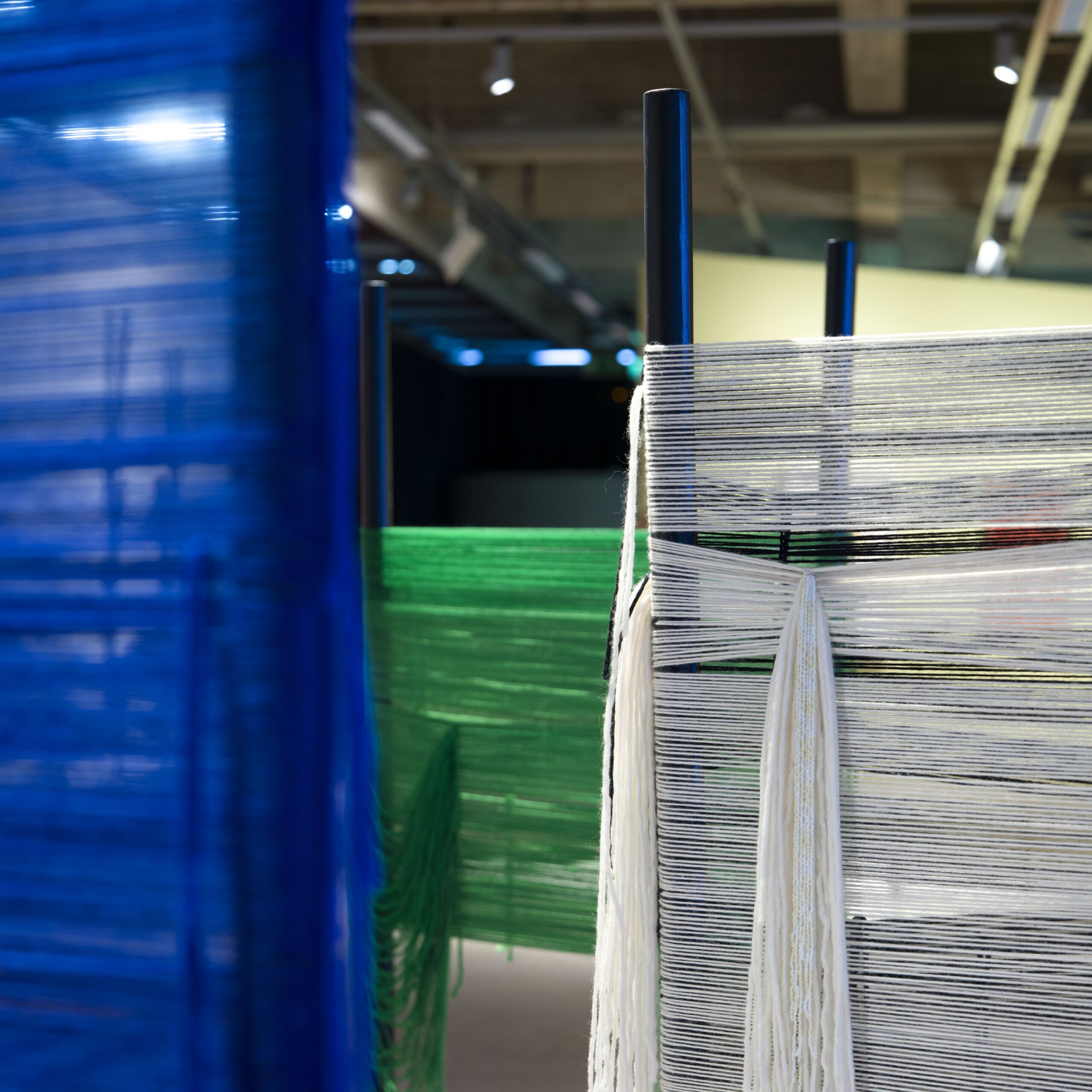
Fashion designer and working‑life professor Ervin Latimer’s work Composition stems from a tribute to Howard Smith and his artistic legacy. The piece is grounded in ideas of an Afro‑Finnish national costume, traditional textiles, and honour expressed through clothing. Instead of creating a wearable garment, Latimer has realised the concept as a three‑part monument intended as a site of remembrance and respect.
Exhibition Team
Museum Director: Krist Gruijthuijsen
Curator: Tuomas Laulainen, Mariia Niskavaara
Project management: Tuomas Laulainen, Mariia Niskavaara, Ingrid Orman
Exhibition architecture: Tuomas Laulainen, Milla Rissanen
Graphic design: Milla Rissanen
Technical design and construction: Kalle Jarva, Mikko Kaukonen, Miika Kyyrö, Lasse Lindfors, Olli Lukkari, Aleksi Martikainen, Lasse Naukkarinen, Jari Rönkkö, Samppa Törmälehto
Lighting: Jenni Salovaara
Conservation: Tiina Juuti, Taina Leppilahti, Marianne Miettinen, Päivi Ukkonen
Framing: Seppo Laaksonen
Registration: Mereca Victorzon
Exhibition texts: Tero Hytönen, Tuomas Laulainen
Mobile guide: Tero Hytönen, Helmi Tolonen
Audience engagement and events program: Tero Hytönen, Reetta Kalajo
Guided tour design: Riikka Alanko
Customer service design: Maija Eränen, Anna Mantere
Marketing and Communications: Iris Suomi, Helmi Tolonen
Photography and documentation: Paula Virta
Videography and postproduction: Paula Virta
Video production: Tero Hytönen
Service sales, visitor surveys: Essi Huhtanen
EMMA Shop: Mira Alanko, Salla Engström
EMMA customer service and guides
Translations: Therese Norrmén (svenska), Tomi Snellman (English)